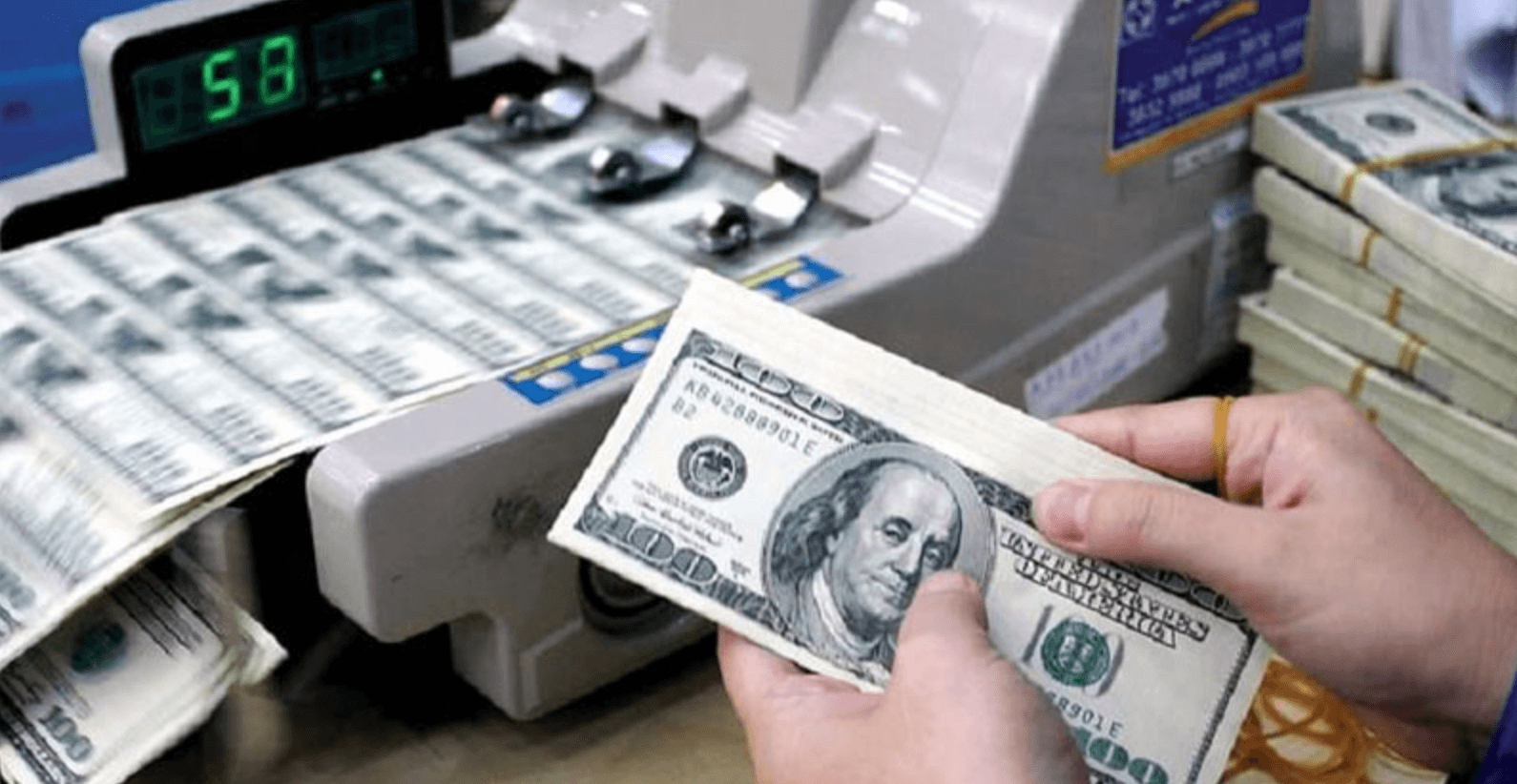

The Dollar's Dangerous Dance: What ASEAN Should Know About America's Currency Crisis
As I write this on June 10th, 2025, the US Dollar Index continues to hover around the psychologically critical 100 level, having lost approximately 8% year-to-date in what analysts are calling one of its steepest declines in two decades. While today saw a modest recovery to 99.17 (up 0.24%), the broader trend tells a story of structural challenges that could reshape how our region approaches currency and digital wealth.
For those of us watching Southeast Asian fintech and cross-border flows, this isn't just another market cycle—it's a potential inflection point that demands our attention.
The Perfect Storm Hitting USD
Three forces are converging to create sustained pressure on the greenback. Trump's escalating tariff war with China—now reaching 145% on some goods—has spooked investors who remember how trade tensions can spiral into economic chaos. Meanwhile, the Federal Reserve finds itself caught between political pressure and policy independence, with Trump's public attacks on Fed Chair Powell undermining confidence in the institution that underpins the dollar's global reserve status.
Most concerning for our region? The traditional correlation between rising US Treasury yields and dollar strength has broken down. Foreign investors are pulling capital despite higher returns, signaling a deeper crisis of confidence in American economic leadership.
ASEAN's Measured Response
Regional currencies have indeed strengthened against the dollar this year, though the gains are more modest than some headlines suggest. The Singapore dollar is up approximately 4.9% year-to-date, while the Thai baht has gained 4-5%. The Malaysian ringgit and Indonesian rupiah have also seen appreciation, though the Vietnamese dong has actually weakened, hitting historic lows earlier this year.
These moves, while significant, represent a gradual rebalancing rather than a dramatic shift. What's more interesting is how Southeast Asian fintech platforms are adapting to this environment.
Regional Currency Performance (YTD, June 10, 2025)
Currency vs USD:
• Singapore Dollar: +4.9%
• Thai Baht: +4.0-5.0%
• Malaysian Ringgit: +3.2%
• Indonesian Rupiah: -2.3% (recovering from lows)
• Vietnamese Dong: -1.8% (historic weakness)
• Philippine Peso: +1.2%
Digital Finance Adaptation
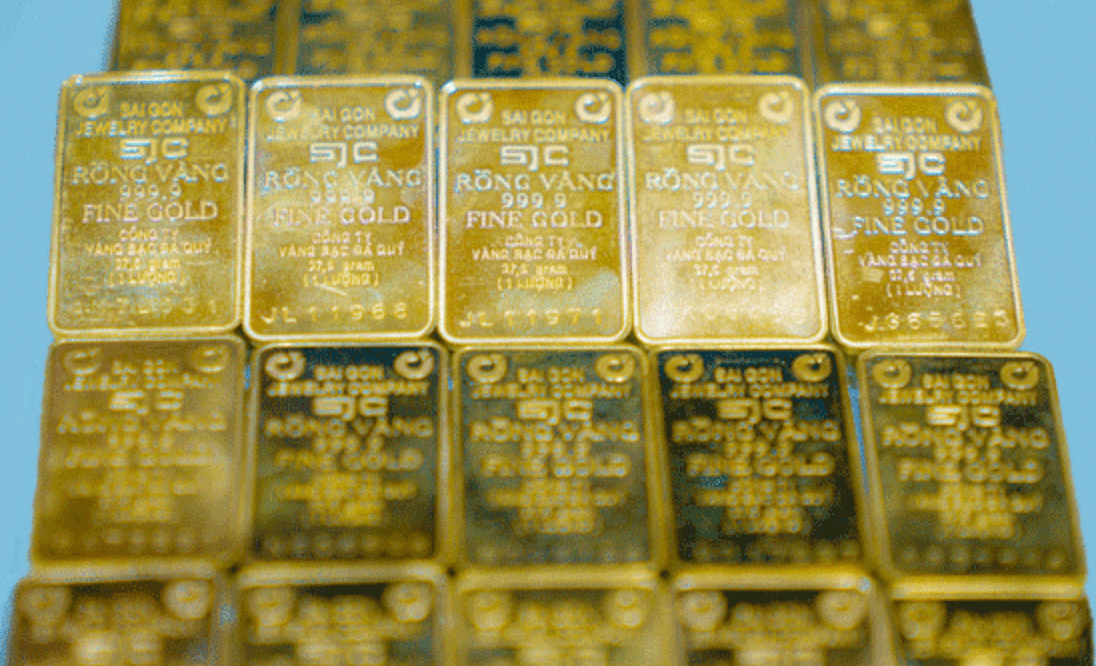
Smart money in ASEAN is quietly adapting. Digital gold platforms are seeing increased interest as users seek dollar alternatives, though adoption varies by market. Cross-border payment companies are exploring settlement mechanisms that reduce USD dependency, while regional exchanges report growing interest in local currency trading pairs.
Singapore's digital banks are positioning multi-currency accounts as hedging tools, and Malaysian robo-advisors are adjusting portfolios to reduce USD concentration—practical responses to a changing monetary landscape.
For everyday users, this translates to tangible changes: more competitive remittance rates for those receiving dollars from overseas, growing options for regional investing, and increased access to gold and cryptocurrency as alternative stores of value.
Market Reality Check
Gold has indeed hit record highs this year as investors seek alternatives to dollar-denominated assets. Bitcoin has also benefited from the macro uncertainty, though both assets remain volatile. The key insight isn't the day-to-day moves, but the sustained search for alternatives to traditional dollar-based savings.
While fintech adoption continues to grow across ASEAN, the sector faces its own challenges. Funding has actually declined in early 2025, though innovation in payments and digital banking continues, particularly in cross-border solutions that don't rely heavily on dollar infrastructure.
What This Trend Means
The dollar's weakness—whether temporary or structural—is accelerating conversations about financial independence in ASEAN. Central bank digital currencies, regional payment systems, and local-currency investment products are gaining momentum as practical tools rather than just policy aspirations.
This shift isn't happening overnight, but the building blocks are clearly being laid for a more diversified monetary future in Southeast Asia.
Rachel's Perspective:
• For Users: Consider gradual diversification into local currency assets, digital gold, and regional ETFs—but avoid dramatic moves based on daily market volatility.
• For Fintech Founders: Focus on building robust multi-currency infrastructure and regional payment solutions that don't assume dollar dominance will last forever.
• For Regulators: The current environment validates investments in regional payment integration and frameworks that reduce dependency on traditional correspondent banking systems.
The dollar's challenges aren't necessarily ASEAN's crisis—they might just be our opportunity to build more resilient, locally-rooted financial systems. The question is whether we're ready to capitalize thoughtfully on this historic moment.
Disclaimer:
The views expressed in this article are those of Rachel Tan and do not constitute financial advice. Currency markets are volatile and past performance does not guarantee future results. Readers should conduct their own research and consult qualified financial advisors before making investment decisions. This analysis is for informational purposes only.