
High USD Exchange Rate and Rising Interest Rates: What Signals for the Economy?
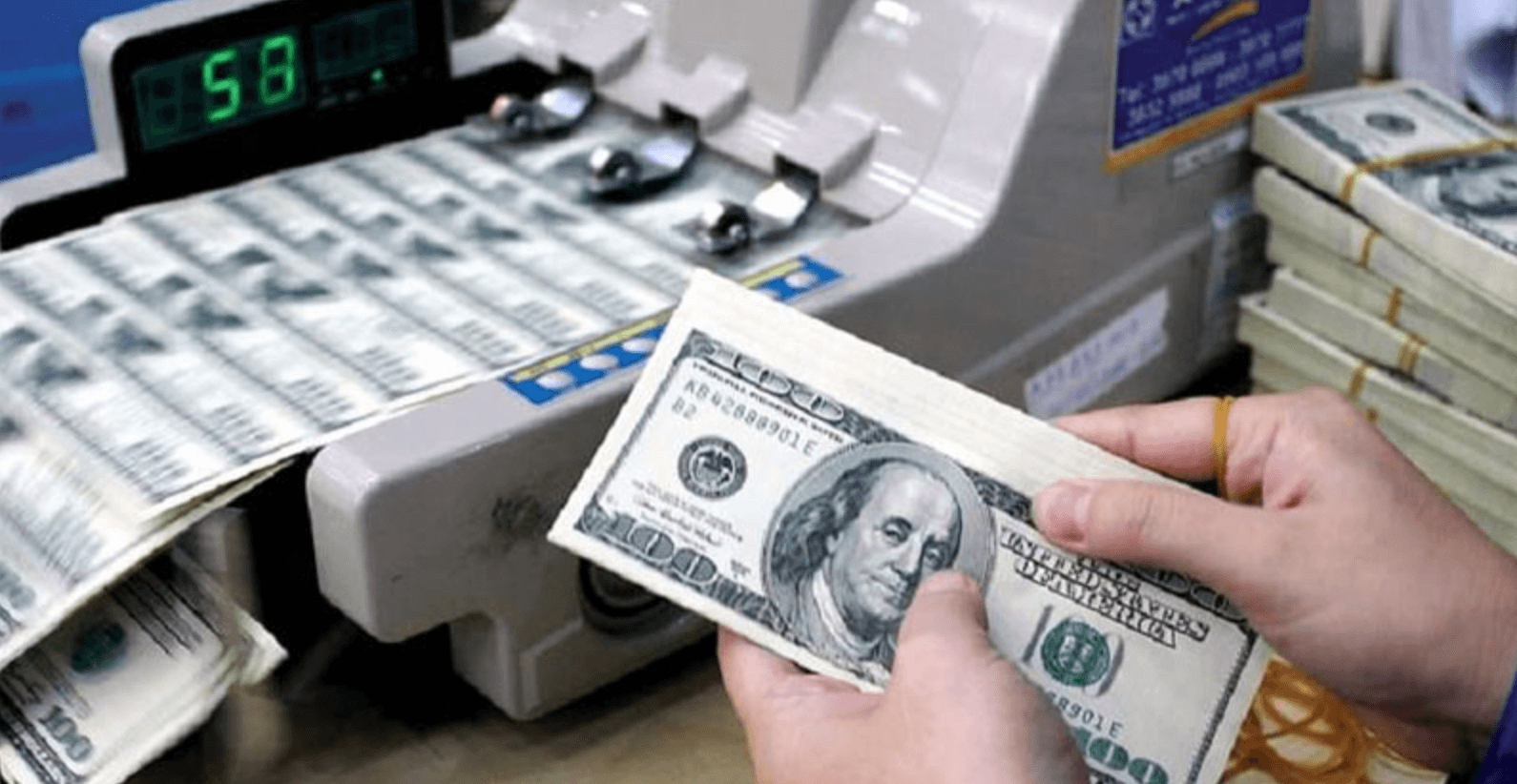
Exchange Rate Pressure in Complex Context
From the perspective of a trader who has monitored currency markets for years, I see domestic USD anchored high around 26,914 VND/USD alongside 3-month bank deposit rates rising to 4.55% per annum as noteworthy signals about current macroeconomic conditions.
Looking back at my journey from losing $1000 in forex, I learned that exchange rates don't just reflect simple supply and demand but are mirrors reflecting confidence in the economy. Al Brooks once taught me about the importance of reading implicit signals from market data, and currently we're seeing mixed signals.
Analyzing Drivers Behind High Exchange Rate
USD maintaining at the high level of 26,914 VND could stem from multiple factors. Bob Volman once emphasized that when analyzing currency markets, we need to consider both domestic and international factors. Pressure from strong USD in international markets, import demand, and investment psychology may all contribute to maintaining this exchange rate level.
Luna, my ragdoll cat, is usually very sensitive to changes in surrounding environment. Similarly, Vietnam's foreign exchange market is also reflecting changes in both domestic and international economic contexts.
Bank Interest Rates - Policy Tool or Passive Response?
In TramNgo FX-Crypto Community, I often share about the relationship between interest rates and exchange rates. The 3-month term rate rising to 4.55% per annum can be understood in two ways: this could be banks' efforts to attract deposits and limit money flow to foreign currency, or simply reflect increased funding costs.
Interestingly, short-term interbank rates (one week and two weeks) dropped sharply. This differentiation shows imbalances in short-term versus long-term liquidity in the banking system.
Implications for Businesses and Consumers
From business trips to Singapore and Thailand, I observed that when both exchange rates and interest rates rise, it creates dual pressure on businesses. Increased borrowing costs alongside import costs (due to high exchange rates) may affect profitability and expansion capabilities.
For consumers, rising deposit rates may be seen as positive news for savers, but also means higher borrowing costs for home purchases, vehicles, or consumption.
Monetary Policy and Inflation Pressure
Based on experience analyzing monetary policy, I see these developments may reflect underlying inflation pressures. When exchange rates are high, imported goods costs increase, creating imported inflation. Rising interest rates may be a tool to control liquidity and limit this pressure.
However, short-term interbank rates dropping sharply shows the State Bank is still trying to maintain reasonable liquidity for the system.
Impact on Investment Channels
With deposit rates rising to 4.55% per annum, this may affect many people's investment decisions. Investment channels like stocks and real estate will have to compete with higher bank rates to attract capital.
This may also impact gold and crypto markets, as opportunity costs of holding non-yielding assets increase.
Prospects and Challenges
Looking ahead, the combination of high exchange rates and rising interest rates creates a mixed picture for the economy. On one hand, it may help control inflation and attract investment capital. On the other hand, it may pressure economic growth and business production costs.
Factors to monitor include: international USD developments, Fed monetary policy, Vietnam's import-export situation, and domestic inflation pressure.
Personal Strategy in This Context
For individuals and businesses, clearly understanding these developments to have appropriate financial strategies is important. Businesses with import needs should consider hedging currency risk, while those with savings can take advantage of higher interest rates.
The key is not to panic but maintain long-term perspective and flexible strategies to adapt to market changes.
Conclusion
High USD exchange rates alongside rising interest rates reflect challenges and opportunities in the current economic context. Closely monitoring these developments and having appropriate preparation will help individuals and businesses navigate this period effectively.
Disclaimer: This article is for informational and analytical purposes only and is not investment advice. All investment and business decisions should be carefully considered based on personal circumstances and expert consultation. Barclay Club encourages readers to conduct thorough research before making important financial decisions.