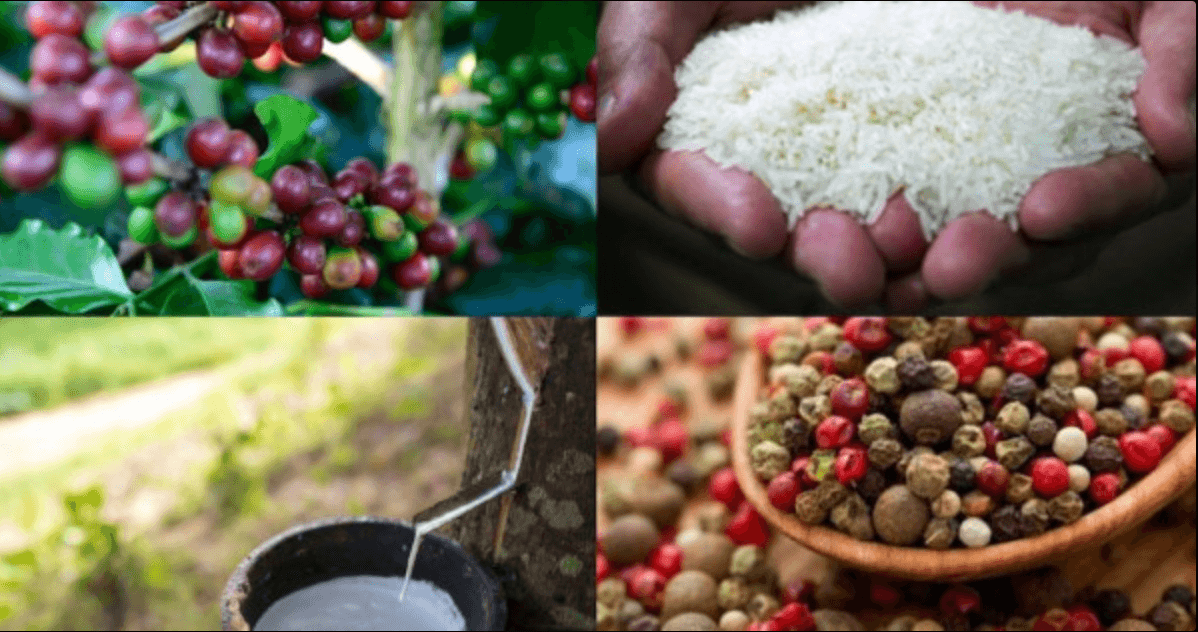

Central Highlands Coffee Continues "Heating Up" at 124,000 VND/kg: Weather and Supply-Demand Determine Market

5% Rally in Past Week
Domestic coffee prices continue climbing to 123,500-124,000 VND/kg, up over 5% from last week. From my agricultural market monitoring experience that Bob Volman taught me, consecutive increases like this usually reflect fundamental supply-demand changes rather than just random fluctuations.
Weather Factors Continue Influence
Commodity markets are closely tracking supply-demand and weather fluctuations, especially climate conditions in the Central Highlands region. Being originally from Pleiku, I understand well how weather can impact coffee productivity. Changes in rainfall, temperature, or drought periods can all directly affect coffee yield and quality.
Global Supply-Demand Analysis
According to the Price Action method Al Brooks taught, when prices rise continuously with high volume, this shows strong demand exceeding current supply. Globally, Brazil - the largest coffee producer - is also facing weather challenges, adding pressure on global coffee prices.
Black Pepper Also Following Upward Trend
Not just coffee, black pepper prices also continue maintaining upward trends. With the TramNgo FX-Crypto Community, we see this as a general trend across agricultural markets, reflecting changes in global supply-demand after the pandemic and climate factors.
Impact on Farmers and Exports
These high prices bring significant benefits to Central Highlands coffee farmers. However, the sustainability of this trend needs consideration. Prices rising too fast could create unrealistic expectations and lead to poor investment decisions.
Exports and Trade Balance
Strong domestic coffee price increases also positively impact Vietnam's export revenue. With Vietnam's position as the world's second-largest coffee exporter, price increases will significantly improve trade balance and foreign currency earnings.
Risks to Consider
However, some potential risks need attention. High prices could encourage unsustainable coffee area expansion, affecting the environment. Also, if prices rise too high, it could impact Vietnamese coffee's competitiveness compared to other countries.
Comparison with Previous Cycles
Looking at past coffee price cycles, strong increases are usually followed by correction periods. This is natural in agricultural commodity markets where supply-demand can change quickly due to various factors.
Strategy for Stakeholders
Farmers should consider selling part of their production at current high prices to lock in profits, rather than waiting for further increases. Export companies also need appropriate hedging strategies to manage price risks.
Short-term Outlook
Short-term, coffee prices may continue staying high due to current supply-demand factors. However, close monitoring of weather reports, expected yields and global consumption demand is needed for more accurate forecasting.
Impact on Domestic Inflation
High agricultural prices could also contribute to inflation pressure, though at small levels. Balance is needed between farmer benefits and impact on general consumer prices.
Conclusion: Opportunities and Challenges Coexist
Coffee prices rising strongly to 124,000 VND/kg bring major opportunities for Vietnam's coffee industry but also pose challenges for risk management and sustainable development. Closely monitoring weather factors and supply-demand will be key to making correct decisions.
Disclaimer: This article is for informational and analytical purposes only, not investment advice. All investment and business decisions should be carefully considered based on personal circumstances and expert consultation. Barclay Club encourages readers to conduct thorough research before making important financial decisions.