
VN-Index Targets 1,700 Points: Opportunities and Challenges for Vietnam's Stock Market
Positive Momentum from August
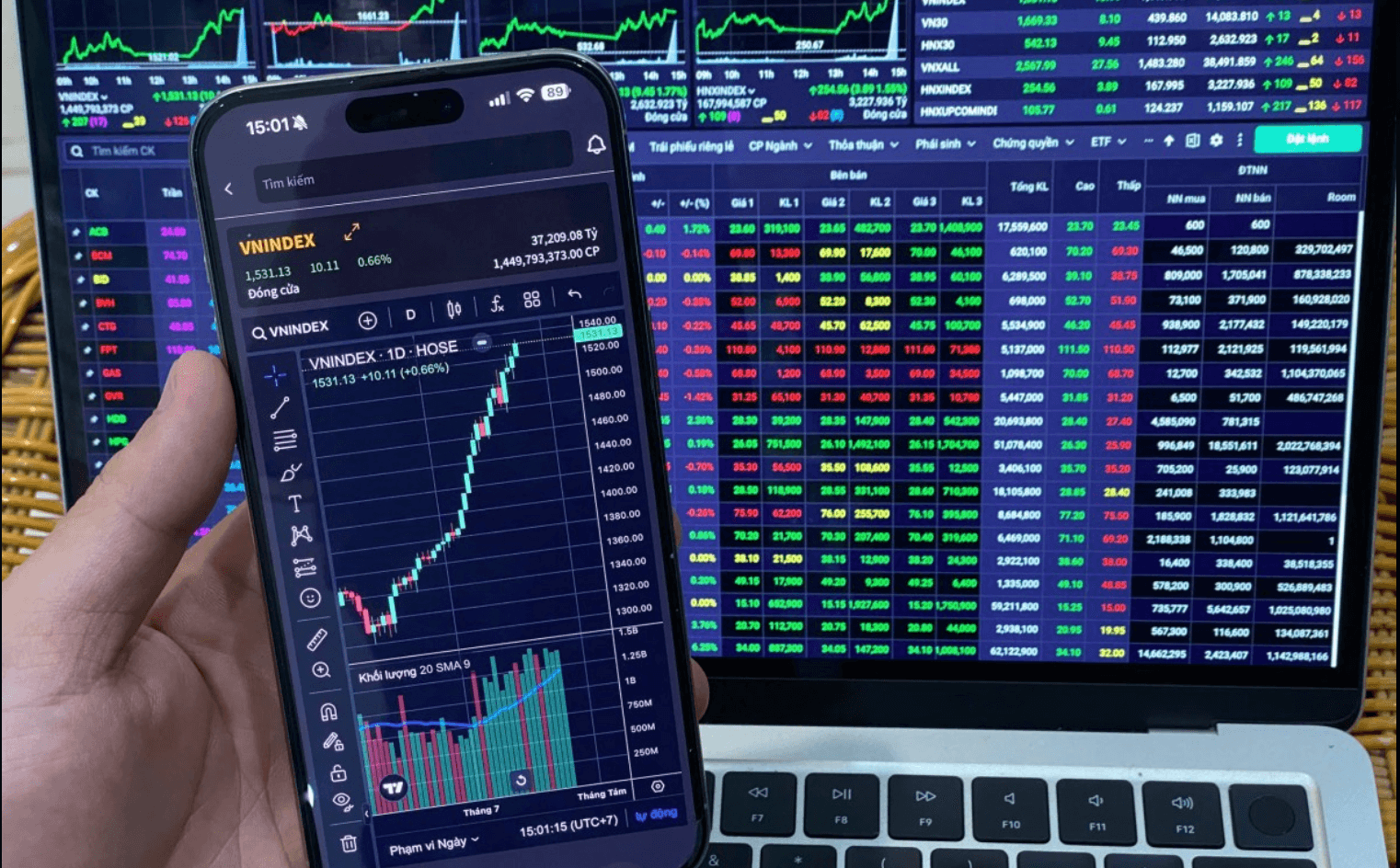
From the perspective of a trader who has monitored various markets, I see the nearly 12% surge in VN-Index during August as a very positive signal. The index targeting the 1,700-point milestone shows Vietnam's market structure is in a healthy growth phase, something that those applying price action analysis like myself can clearly recognize.
Looking back at my journey from losing $1000 in forex, I learned that when a market has such strong momentum, it's usually the result of a combination between solid fundamentals and perfect technical setup. VN-Index is currently displaying exactly this pattern.
Domestic Capital Flow - The Main Driver
Experience in market analysis using Al Brooks' methodology helps me recognize that strong domestic capital flow is the backbone of this surge. Unlike previous periods when the market depended heavily on foreign capital, this time Vietnamese retail investors are more confident in investing in their own home market.
From my business trips to Ho Chi Minh City, I've witnessed firsthand the change in Vietnamese investors' psychology. Individual investors are no longer just depositing savings but are actively participating in the stock market with clearer knowledge and strategies.
Pillar Sectors Leading the Way
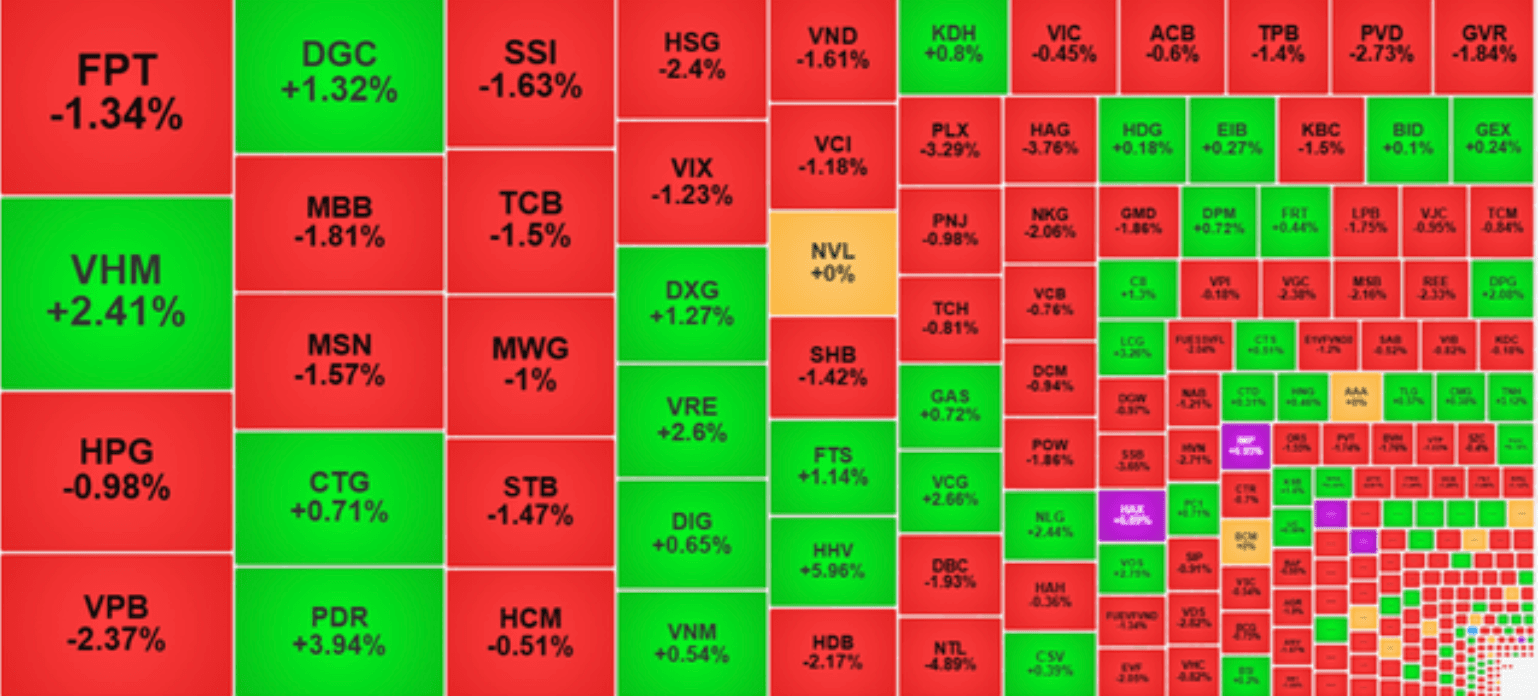
According to Bob Volman, sector rotation is an important part of market analysis. Banking, securities, and real estate continuing to play pillar roles isn't coincidental. These are sectors with strong fundamentals and are directly benefiting from Vietnam's economic growth trajectory.
The banking sector is particularly attractive as interest rates have stabilized and credit is starting to grow again. With experience as an opinion leader in the crypto community, I see clear similarities: when a sector has solid foundations combined with positive sentiment, it usually creates sustained uptrends.
Challenges from Foreign Capital and Macro Factors
However, like Luna always reminds me with the vigilant gaze of a ragdoll cat, we cannot ignore the existing risk factors. Volatile foreign capital flows are the biggest challenge VN-Index must face. Foreign investors can pull out quickly when there's uncertainty about global markets.
Macroeconomic factors also need close monitoring. Inflation, USD/VND exchange rates, and especially policy changes from the Fed can all significantly impact market sentiment. Experience studying G10 currency manipulation helps me understand that emerging markets like Vietnam are always sensitive to global liquidity flows.
Strategy for Vietnamese Investors
From the perspective of a trader who has experienced multiple market cycles, I see this as a time requiring balance between optimism and caution. VN-Index has the potential to reach 1,700 points, but that journey won't be smooth sailing.
The most effective strategy in this context is selective investing, focusing on stocks with strong fundamentals in leading sectors. Rather than trying to time the market perfectly, a gradual accumulation approach will be safer, especially when foreign money flows remain unpredictable.
Timing and Risk Management
Fellow traders in the Crypto Central Vietnam community, despite focusing mainly on crypto, should also monitor VN-Index as correlation between asset classes is increasing. When the domestic stock market is strong, it usually creates positive spillover effects to other investment channels.
However, remember that bull markets don't last forever. When VN-Index approaches psychological levels like 1,700 points, volatility usually increases and profit-taking pressure will emerge. This is when risk management becomes more crucial than ever.
Conclusion and Action
The current context shows VN-Index has a good foundation to continue its uptrend, but success will depend on whether domestic money flows can compensate for foreign capital volatility. With proper strategy and discipline, Vietnamese investors can capitalize on this momentum while effectively managing potential downside risks.
Disclaimer: This article is for informational and analytical purposes only and is not investment advice. All investment and business decisions should be carefully considered based on personal circumstances and expert consultation. Barclay Club encourages readers to conduct thorough research before making important financial decisions.