
Vietnamese Government Issues Decree 232: End of Gold Bar Monopoly - Opportunity or Challenge for the Market?
Historic Turning Point in Vietnam's Gold Market
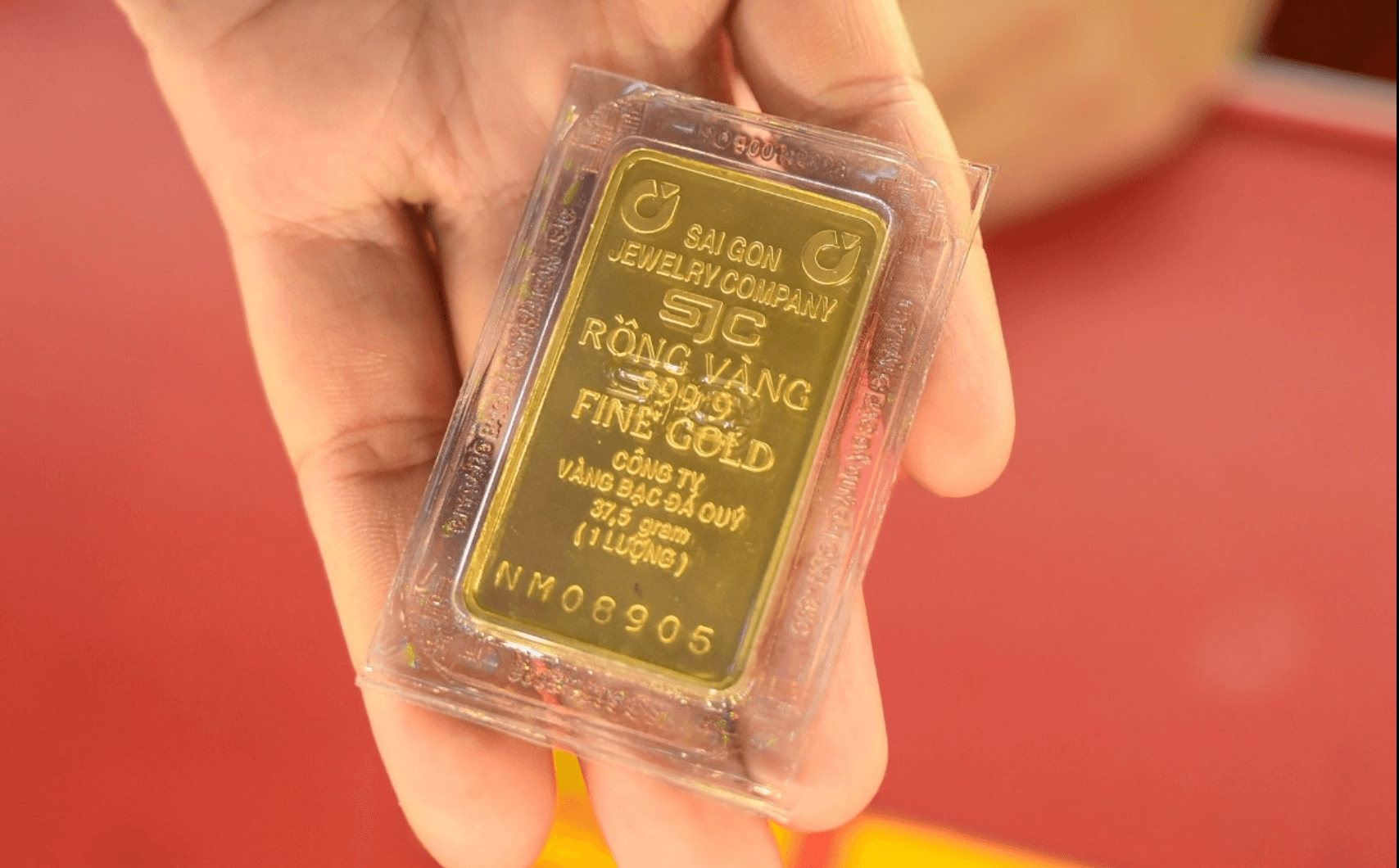
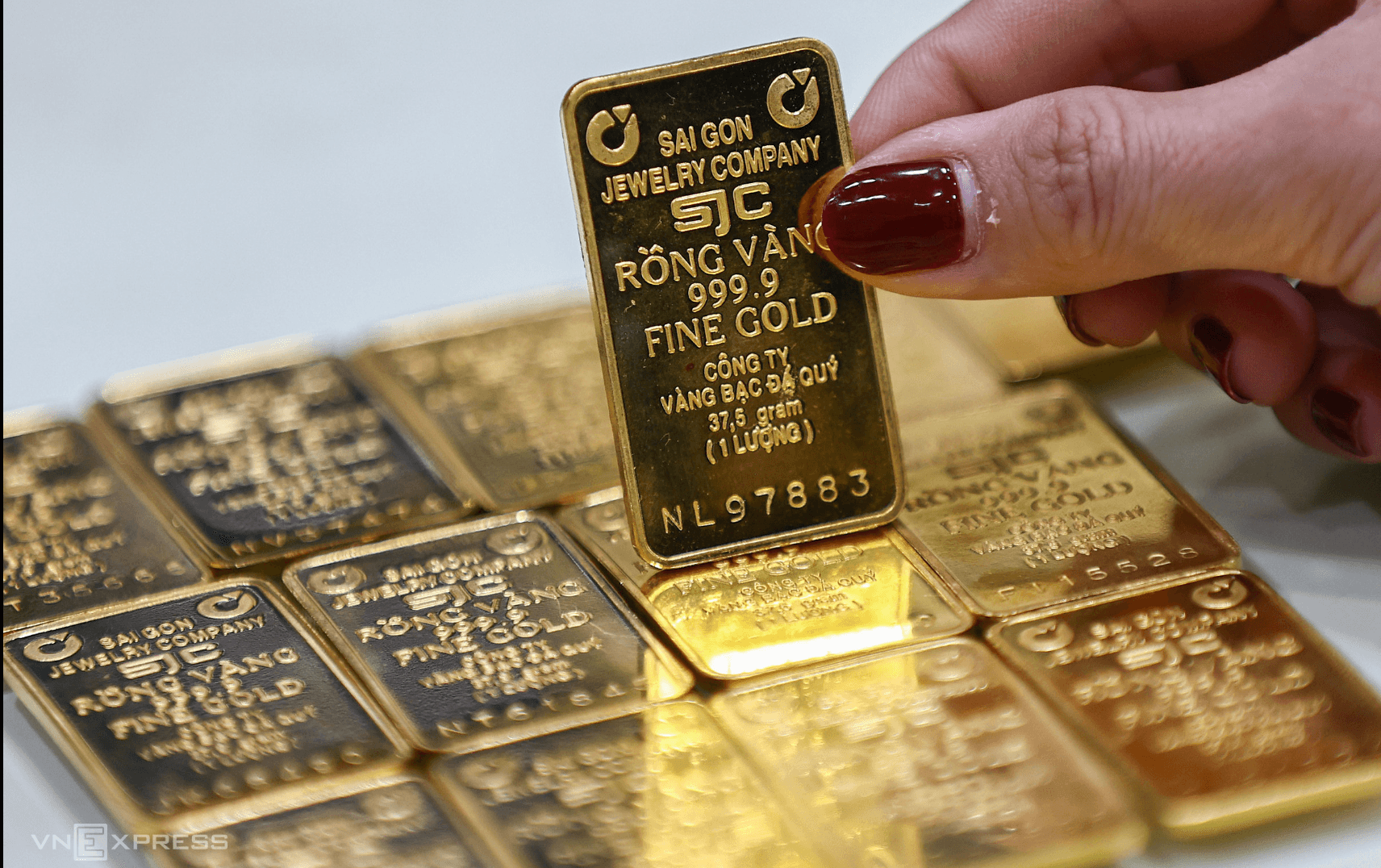
On August 26, 2025, the Vietnamese Government officially issued Decree 232/2025/ND-CP, ending the state monopoly on gold bar production. This is a decision that could completely change the domestic gold market landscape we've been familiar with for many years. From my experience analyzing financial policies, I see this as a bold move that could create far-reaching impacts.
"Strict" Conditions for Participating Units
According to the new decree, gold bar production will be open to enterprises with capital from 1,000 billion VND and commercial banks with capital from 50,000 billion VND. These are quite massive numbers showing the Government wants to ensure only organizations with strong financial capacity can participate. Bob Volman taught me that in any market, high barriers to entry usually create fewer players but higher quality ones.
From Monopoly to Controlled Licensing
The gold bar production market will shift from monopoly to a controlled licensing mechanism, with the State maintaining management roles through issuing licenses for production, import and export of gold raw materials. With the TramNgo FX-Crypto Community, we understand this is quite a smart hybrid model - both opening the market while maintaining control.
Transfer Regulations: Transaction Transparency
A notable point is the regulation requiring gold transactions of 20 million VND/day or more to be conducted via bank transfers through commercial banks. This aims to increase transparency, combat money laundering and control money flows. From Al Brooks' experience monitoring money flows, this will help regulators have clearer views of the gold market.
Impact on Current Price Gaps
As analyzed in previous articles, SJC gold is currently about 15 million VND/tael higher than world gold. Opening production could increase gold bar supply, potentially helping narrow this gap long-term. However, time is needed for new units to actually deploy production.
Competition and Price Pressure
A more competitive environment could create downward price pressure on domestic gold bars. Producers will have to compete on quality, service and possibly pricing. This could benefit end consumers but may also impact current units' profits.
Implementation Challenges
Actual implementation will face many challenges. Enterprises and banks need time to prepare facilities, personnel and production processes. Ensuring quality and technical standards will also be a major challenge.
Impact on Stock Market
Stocks related to gold and precious metals could benefit from this policy. Companies qualified to participate in gold bar production may see stock prices rise due to expectations of new revenue.
International Integration and Modernization
This decree also aims to promote transparent and modern integration with international gold markets. This could help Vietnam participate deeper in global gold value chains and learn best practices from the world.
Long-term Impact Forecast
Long-term, this policy could help stabilize the domestic gold market, reduce abnormal price volatility and create a healthier market. However, the transition process will need time and may have short-term fluctuations.
Advice for Gold Investors
Those holding gold bars need to closely monitor developments in implementing this decree. Consider appropriate strategies depending on predicting how price gaps will change going forward.
Conclusion: Step in Right Direction
Decree 232 is a step in the right direction to modernize Vietnam's gold market. Despite many implementation challenges, this could be the foundation for building a more transparent, competitive and internationally integrated gold market.
Disclaimer: This article is for informational and analytical purposes only, not investment advice. All investment and business decisions should be carefully considered based on personal circumstances and expert consultation. Barclay Club encourages readers to conduct thorough research before making important financial decisions.