

Vietnam Property Investment 2025: What Foreign and Local Investors Must Know Before Buying
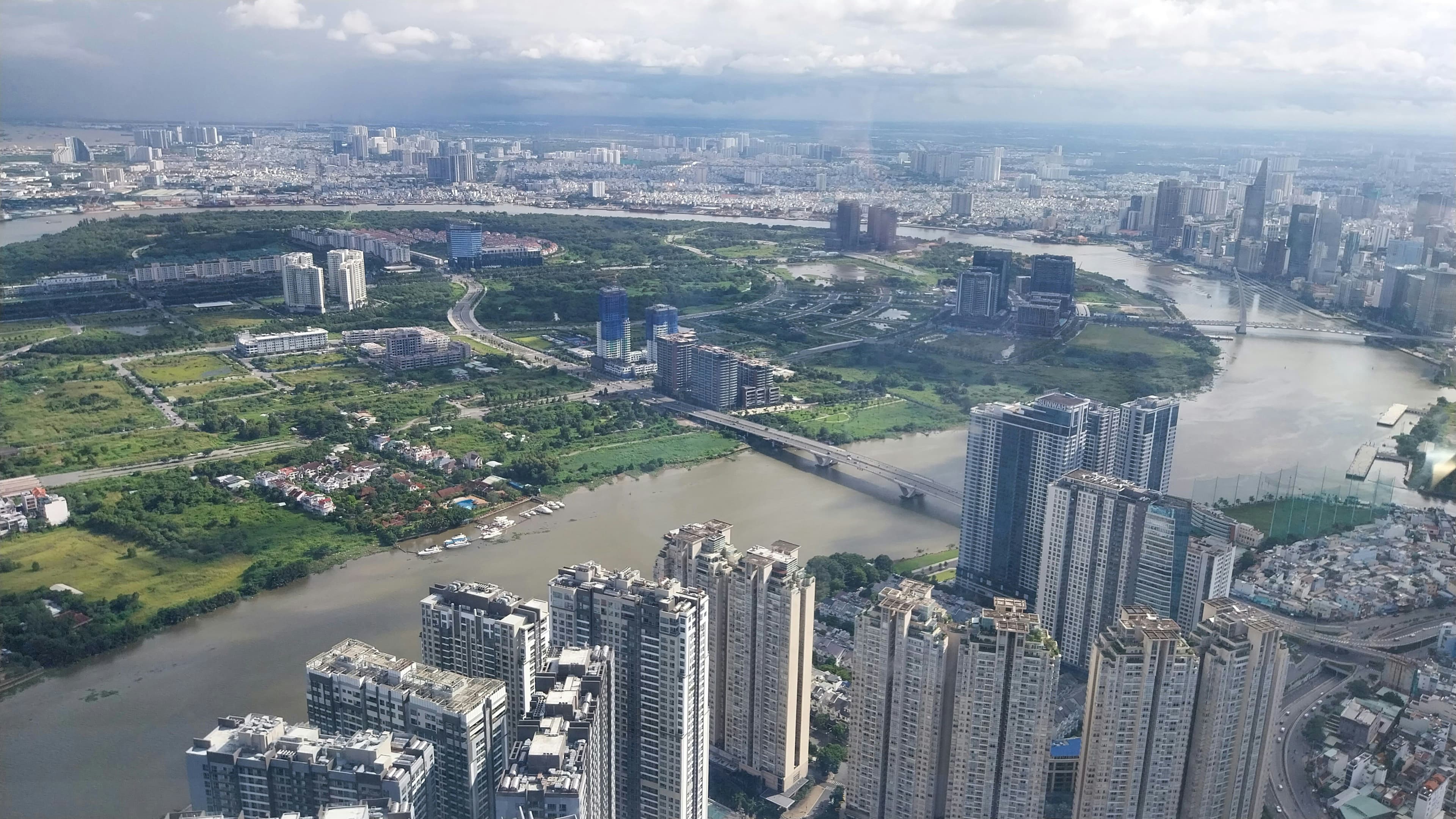
Why both local and international investors need to look beyond the boom to understand the real challenges ahead
By Rachel Tan | Pulse of the Region
Vietnam's property market has captured global headlines with its spectacular price rises and foreign investment surge, but beneath the excitement lies a complex landscape of regulatory hurdles, market imbalances, and evolving rules that both local and international investors must navigate carefully.
The International Investor's New Reality
For foreign individuals, foreign-invested enterprises, and overseas Vietnamese (who now enjoy enhanced rights), Vietnam's property market offers genuine opportunities but within distinct parameters. The 30% ownership cap in condominiums and 10% limit on landed properties in any project, combined with the inability to own land outright, creates a structured but restricted investment environment.
The new 2025 Housing Law clarifies these restrictions while maintaining existing caps, and notably introduces tenure limits tied to Investment Registration Certificates for foreign organizations. A key liberalization allows foreigners to buy and sell directly from other foreigners, streamlining secondary market transactions. However, if foreign investors already own the maximum 250 houses allowed in an area, they cannot acquire additional properties in other projects within the same administrative ward—a rule that could significantly limit portfolio expansion strategies.
Procedural Challenges Persist
The procedural landscape continues evolving as Vietnam enhances its regulatory framework. While administrative processes require patience and thorough documentation, the government's ongoing digital transformation initiatives are streamlining procedures for investors. Property listings across multiple platforms sometimes show price variations, making comprehensive market research and independent legal verification valuable for informed decision-making.
Local Investors Face Their Own Headwinds
Vietnamese investors aren't immune to challenges. Market analysts note that despite strong growth, 70% of new residential supply caters to high-end buyers, creating a supply-demand imbalance that affects the broader market. This luxury focus means local investors seeking affordable properties or targeting middle-income renters face limited options and intense competition.
The regulatory environment affects domestic investors as they navigate Vietnam's evolving legal framework. As the government continues modernizing regulations across key sectors, investors benefit from ongoing reforms aimed at improving market efficiency. The 2024 Land Law introduces more targeted lump-sum rental schemes for specific project types, reflecting the government's strategic approach to sustainable development financing.
Banking and Financing Realities
Access to capital remains challenging across investor categories. Vietnam's government is strengthening banking regulations to create a more stable financial system, which affects lending practices for property buyers. For international investors, obtaining local bank financing can prove difficult due to restrictive policies for non-residents, while money transfers for property purchases are complicated by banking regulations.
Market Structure Concerns
The market's rapid growth masks structural issues that affect all investor types. Ho Chi Minh City's apartment prices dropped 2.5% year-over-year in Q3 2024 to $3,148 per square meter, with apartment sales declining 4% annually as demand softened. This price recalibration suggests the market may be reaching natural limits in certain segments. By contrast, Hanoi's market continues growing with apartment prices rising 22.3% year-over-year, illustrating the importance of regional market knowledge and local conditions.
Government infrastructure investment continues driving long-term value creation, though project timelines require careful consideration for investment planning. Vietnam's commitment to transparency and investor protection shows in recent reforms, including the implementation of annual land price tables and enhanced ownership certificate processes, demonstrating the government's dedication to market development.
The 2025 Regulatory Reset
January 2025 marks a significant regulatory milestone with new Housing Law provisions and clearer foreign ownership guidelines taking effect. However, while foreign investors now have clearer guidelines for ownership limits and transaction procedures, the fundamental restrictions remain largely unchanged.
For overseas Vietnamese (Viet Kieu), the changes are more substantial, with equal property rights and simplified documentation processes providing genuine advantages over foreign nationals.
Key Investment Considerations: Quick Reference
Foreign Individuals face a 30% condominium cap, 10% landed property cap, and 250 house limit per ward, but benefit from new direct foreign-to-foreign sales capabilities and clearer procedures under the 2025 reforms.
Foreign-Invested Enterprises operate under the same ownership caps with tenure tied to Investment Certificates, while gaining simplified real estate arrangements for companies with minority foreign ownership.
Overseas Vietnamese (Viet Kieu) now enjoy the most significant advantages, with equal rights to Vietnamese citizens and simplified documentation processes—a substantial improvement over previous restrictions.
Local Investors benefit from enhanced market transparency and clearer land pricing mechanisms, though they continue navigating supply shortages in the affordable housing segment.
Smart Investment Strategies
Successful property investment in Vietnam—whether local or international—requires understanding these realities rather than chasing headlines. Vietnam's stable political environment and consistent GDP growth averaging 6.23% from 2000 to 2024 provide solid economic foundations, but investors must navigate the regulatory complexity and market imbalances strategically.
The key is thorough due diligence, independent legal counsel, and realistic expectations about both timeline and ownership structures. Finding independent solicitors rather than using agent-recommended lawyers, understanding all associated costs upfront, and carefully checking developer guarantees for new projects are essential steps regardless of investor nationality.
Regional Opportunities: Beyond the Major Cities
While Ho Chi Minh City and Hanoi dominate headlines, emerging markets offer compelling alternatives for strategic investors. Da Nang stands out with rental yields reaching 4.2-4.5% in central areas and up to 5.73% in suburban zones, significantly outperforming the major cities. The city's tourism recovery and growing expatriate community create sustained rental demand.
Binh Duong Province, adjacent to Ho Chi Minh City and well-connected by major highways, benefits from rapid industrial development and foreign investment inflows. The government's push for smart urban development makes it particularly attractive for investors seeking exposure to Vietnam's manufacturing boom while avoiding HCMC's premium pricing.
Long An Province presents opportunities in large-scale developments like Eco Retreat Long An and Vinhomes Green City, supported by improved infrastructure connectivity. These master-planned communities offer entry points typically 30-40% below comparable HCMC properties while providing access to the economic spillover from the commercial capital.
These secondary markets provide opportunities for both foreign and domestic investors seeking value beyond the traditional city centers, with government infrastructure investment continuously improving connectivity and long-term prospects.
Understanding Market Risks and Exit Strategies
Vietnam's property market, while offering substantial growth potential, requires careful consideration of liquidity and exit planning. Liquidity risks vary significantly by location and property type—while prime apartments in central Ho Chi Minh City or Hanoi typically find buyers within 3-6 months, secondary market properties in emerging areas may require 12-18 months for successful sales.
Foreign ownership restrictions create unique exit considerations. The 30% foreign ownership cap means resale options may be limited to the remaining foreign quota in a building or Vietnamese buyers. However, the 2025 law's allowance for direct foreign-to-foreign transactions provides more flexibility than previously available.
Market timing proves crucial given Vietnam's rapid price appreciation cycles. The recent 2.5% price correction in Ho Chi Minh City demonstrates that markets can shift quickly, making exit timing important for capital preservation. Properties purchased during peak periods may require longer holding periods to achieve desired returns.
Rental yield strategies offer alternative exit approaches, particularly in tourist-friendly cities like Da Nang where short-term rental markets provide flexibility. However, investors should factor in Vietnam's evolving regulations around vacation rentals and property management requirements.
The Bottom Line
Vietnam's property market offers genuine opportunities within Southeast Asia's growth story, supported by progressive government policies and economic fundamentals. The 2025 regulatory changes demonstrate Vietnam's commitment to market clarity and investor confidence—making thorough preparation and realistic expectations key to successful investment outcomes.
Rachel Tan writes Pulse of the Region, covering fintech and investment trends across Southeast Asia. Follow her insights on cross-border opportunities and regulatory developments affecting regional investors.
Disclaimer: This article is for informational purposes only and does not constitute financial or investment advice. Property investment involves inherent risks, and market conditions can change unexpectedly.