

Nintendo Switch 2: Inside the Supply Chain Masterclass Behind the Fastest-Selling Console in History
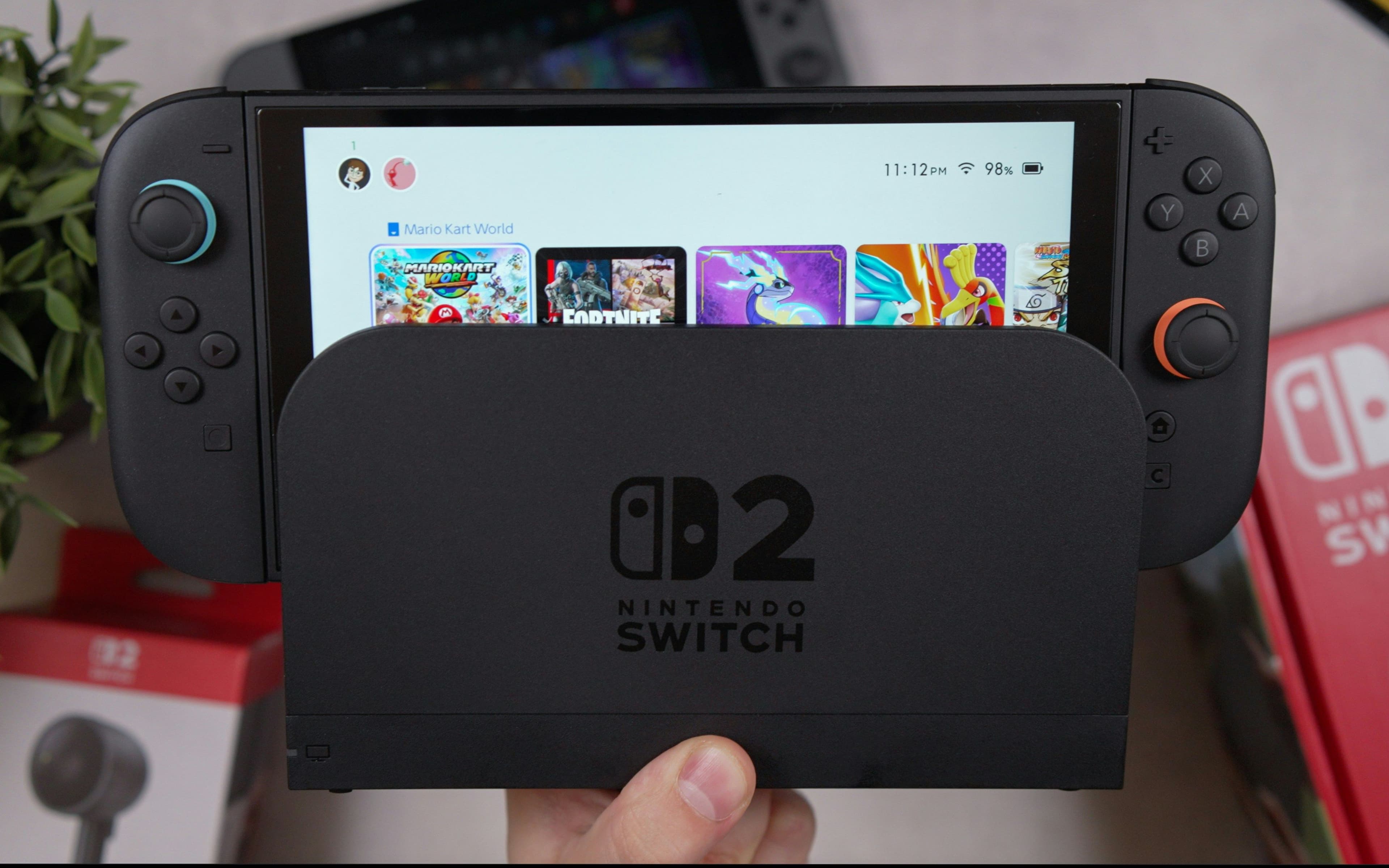
How Nintendo turned careful preparation and Vietnamese manufacturing into 3.5 million units sold in four days—while competitors are still figuring out how to keep hardware in stock.
The Numbers That Made History
Nintendo just executed what every tech executive dreams about: a flawless product launch that sold 3.5 million units globally in four days while completely avoiding the supply chain disasters that turned PlayStation 5 launches into Hunger Games tournaments¹. The Switch 2 moved 1.6 million units in the US during its June launch month alone, shattering the previous record of 1.1 million units set by PlayStation 4 in 2013².
At $449.99—a $150 premium over the original Switch's debut price—Nintendo essentially told the market: "We know you want this, we know you'll pay more, and yes, we actually made enough of them." The math is straightforward: 3.5 million units at $450 equals approximately $1.575 billion in gross hardware revenue within four days of launch³.
But here's where industry realism kicks in: analyst Mat Piscatella cautioned that "lifetime sales and launch sales of a console often do not correlate," noting that having robust launch inventory tells us more about Nintendo's manufacturing excellence than sustainable consumer demand⁴.
The Vietnamese Manufacturing Revolution
Remember when getting a PS5 required the reflexes of a cryptocurrency day trader and the patience of a Buddhist monk? Nintendo looked at three years of PlayStation shortages and said, "Hold our sake." Their approach was methodically brilliant and geographically strategic.
The Vietnam Gambit: Nintendo shifted significant production to Vietnam, with Foxconn's newest northern Vietnam facility targeting 4.18 million units annually⁵. This 40% capacity expansion wasn't just about cost savings—it was about supply chain resilience. While competitors remained China-dependent and tariff-vulnerable, Nintendo diversified into a manufacturing hub with lower industrial costs and proximity to established supply chains⁵.
Early Production Commitment: Nintendo began mass manufacturing in late 2024, months before the June 2025 launch, targeting 15 million units by March 2026⁶. Most companies race to market; Nintendo raced to readiness. It's like showing up to a final exam having actually studied instead of cramming energy drinks the night before.
Anti-Scalping Strategy: They increased production specifically to discourage resellers, employing retail purchase limits and strategic inventory allocation⁶. The result? Secondary market prices stayed closer to retail, unlike the PS5's notorious 200-300% markup during launch shortages⁷.
The Technical Performance Reality
The Switch 2 delivers an estimated 3.1 TFLOPS of GPU performance docked—roughly 10x the original Switch's 0.39 TFLOPS⁸. For context, that places it above the Steam Deck but below Xbox Series S, representing the largest generational leap in Nintendo hardware history⁸.
Just one step to unlock the rest of this article
Sign in to read the full article and access exclusive content
✨ Completely free • No credit card required