

Intel and the 21st Century Chip War: Political Influence and America's Financial Strategy
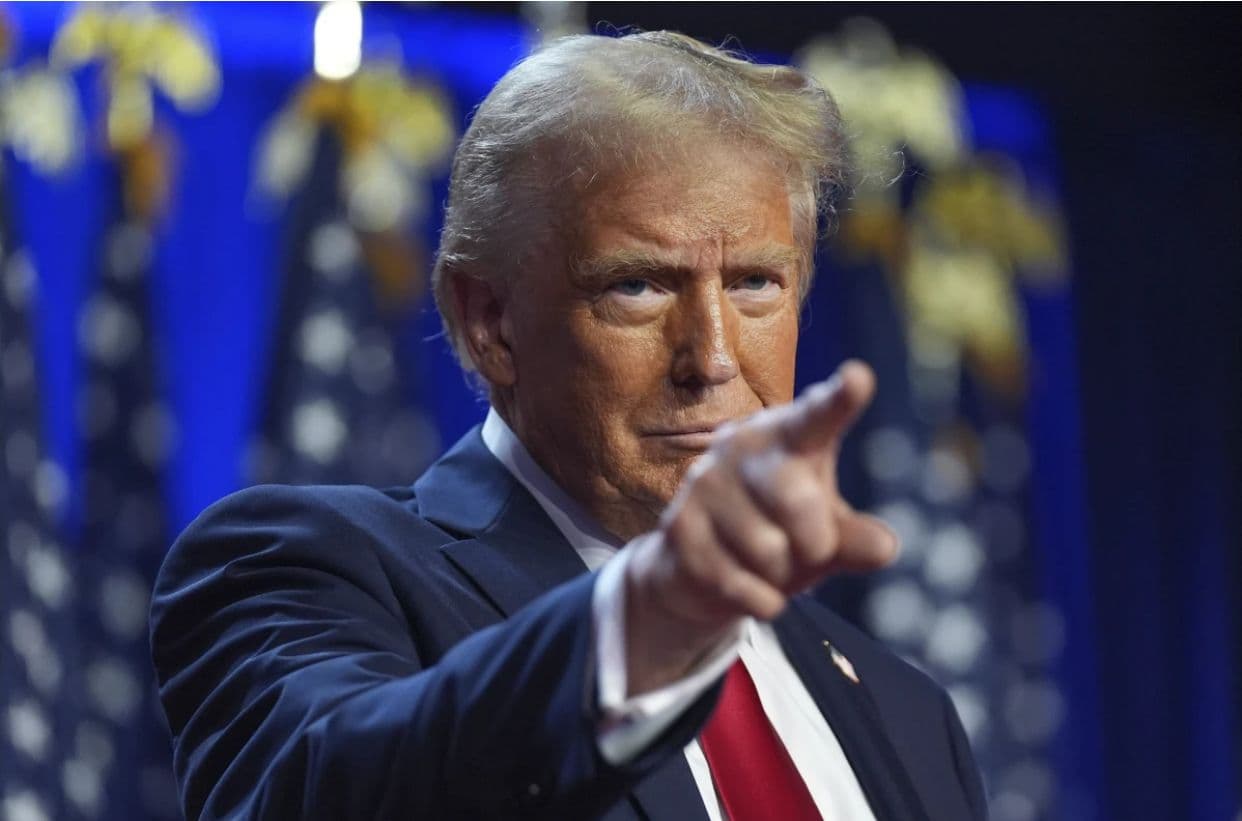
What can $8.9 billion buy you? A small tech conglomerate, or 433.3 million Intel shares at a preferential price of $20.47 each—$4 below market value? That's precisely the bold investment story of the Trump administration, which decided to acquire nearly 10% of Intel's shares—a move designed not just to rescue America's chip giant but to reshape the global technology landscape.
This investment didn't come from conventional budget allocations, but was funded through $5.7 billion in unallocated resources from the CHIPS Act and $3.2 billion from the Department of Defense's Secure Enclave program. The message is crystal clear: Washington is ready to spend big to reclaim control of the semiconductor industry from Asian competitors.
Intel: From "King" to "Underdog"?
Looking back at history, Intel once dominated the global chip industry for decades, holding up to 80% market share in the 2000s. Today, that figure has shrunk to just 18%, while TSMC—a Taiwanese company many Americans hadn't heard of 10 years ago—has captured 60% of the high-end chip manufacturing market. Samsung isn't far behind with 17% market share and plans to invest an additional $230 billion through 2030.
The harsh reality is that Intel has lost its technological edge in the 3nm and 2nm chip race. While TSMC has already begun mass production of 3nm chips for Apple and Nvidia, Intel is still struggling with 7nm technology. CEO Lip-Bu Tan has had to announce plans to cut 15% of the workforce and shut down several projects to concentrate resources on core areas.
But will $8.9 billion be enough to turn the tide? This isn't just about money—it's about time. Building a modern chip facility takes 3-5 years, while competitors continue to advance. Intel is constructing two major plants in Ohio with a total investment of $100 billion, but these won't be operational until 2025-2026.
The Hidden Power Play Behind the Numbers
Interestingly, the U.S. government holds only passive ownership—no board representation, no management interference, and no access to Intel's internal information. So why still spend $8.9 billion?
The answer lies in long-term strategy. As trade tensions with China escalate, dependence on Asian chip supply chains has become America's "Achilles' heel." Trump has announced high tariffs on imported chips, except for companies building facilities in the U.S.—a clever way to stimulate domestic investment.
The relationship between Trump and Intel's CEO was once strained, but this deal has significantly improved relations. Lip-Bu Tan has committed to keeping R&D and advanced manufacturing in the U.S.—exactly what Washington wanted to hear.
Ripple Effects: Golden Opportunity for Southeast Asia?
While Intel struggles with internal challenges, Southeast Asian nations may benefit from this chip war. Vietnam currently assembles 40% of the world's mobile phones and produces 25% of global electronics component exports. Samsung has invested $1.8 billion in a facility in Bac Ninh, LG is expanding production in Hai Phong, and Foxconn is considering shifting some manufacturing from China to Vietnam.
When chip export restrictions are implemented, supply chain gaps will emerge—and that's precisely the opportunity for Vietnamese companies to "squeeze into" higher value-added segments. However, this requires us to prepare skills and technology to become not just "contract manufacturers" but "strategic partners."
Market Reaction: Numbers That Speak
Immediately after the U.S. government investment announcement, Intel's stock jumped 7% in trading, while TSMC dropped 3% due to concerns about new policy impacts. Nvidia—heavily dependent on TSMC chips—also had a volatile session with 5% swings.
These numbers don't just reflect investor sentiment but demonstrate the power of "political factors" in tech company valuations. A tweet, a policy statement can change market capitalization by tens of billions of dollars within hours.
Lessons for Next-Generation Investors
The Intel story offers an important lesson: in an era where technology and politics intertwine, understanding macro "rules of the game" becomes the decisive factor for success.
Instead of just looking at P/E ratios or quarterly revenues, smart investors need to learn how to read the global "power map." When does a company become a "national policy"? When do geopolitical tensions create investment opportunities? When to "pick sides" and when to "stay neutral"?
For young Vietnamese, this is also time to seriously consider career directions. The semiconductor industry doesn't just need chip design engineers, but also logistics specialists, financial analysts, technology marketers, and most importantly—people who understand the connection between technology and national policy.
The War Has Just Begun
Intel, with $8.9 billion in hand, may not be enough to "reverse the chess game" in the short term. TSMC still leads in technology, Samsung remains strong financially, and China is quietly developing its domestic semiconductor industry with massive investments.
But this is just the opening act of the 21st century chip war—where victory doesn't just belong to those with the best technology, but to those who understand how to play the global power game most skillfully.
Will Intel make a "comeback" like Apple did in the 2000s? Or is this just a final attempt to retain some dignity of a "king" whose time has passed? The answer will be written by what happens in the next five years—and those sharp enough to read the "flow of history" will reap the greatest benefits.
Because in a world where a political decision can change the fate of an entire industry, only knowledge and adaptability remain the most sustainable weapons.
Disclaimer: This article is for informational and analytical purposes only and does not constitute investment advice. All investment and business decisions should be carefully considered based on individual circumstances and with consultation from professional experts. Barclay Club encourages readers to conduct thorough research before making important financial decisions.