

Gold Prices Jump Nearly $30/Ounce Today Amid High Inflation and Fed Policy Uncertainty
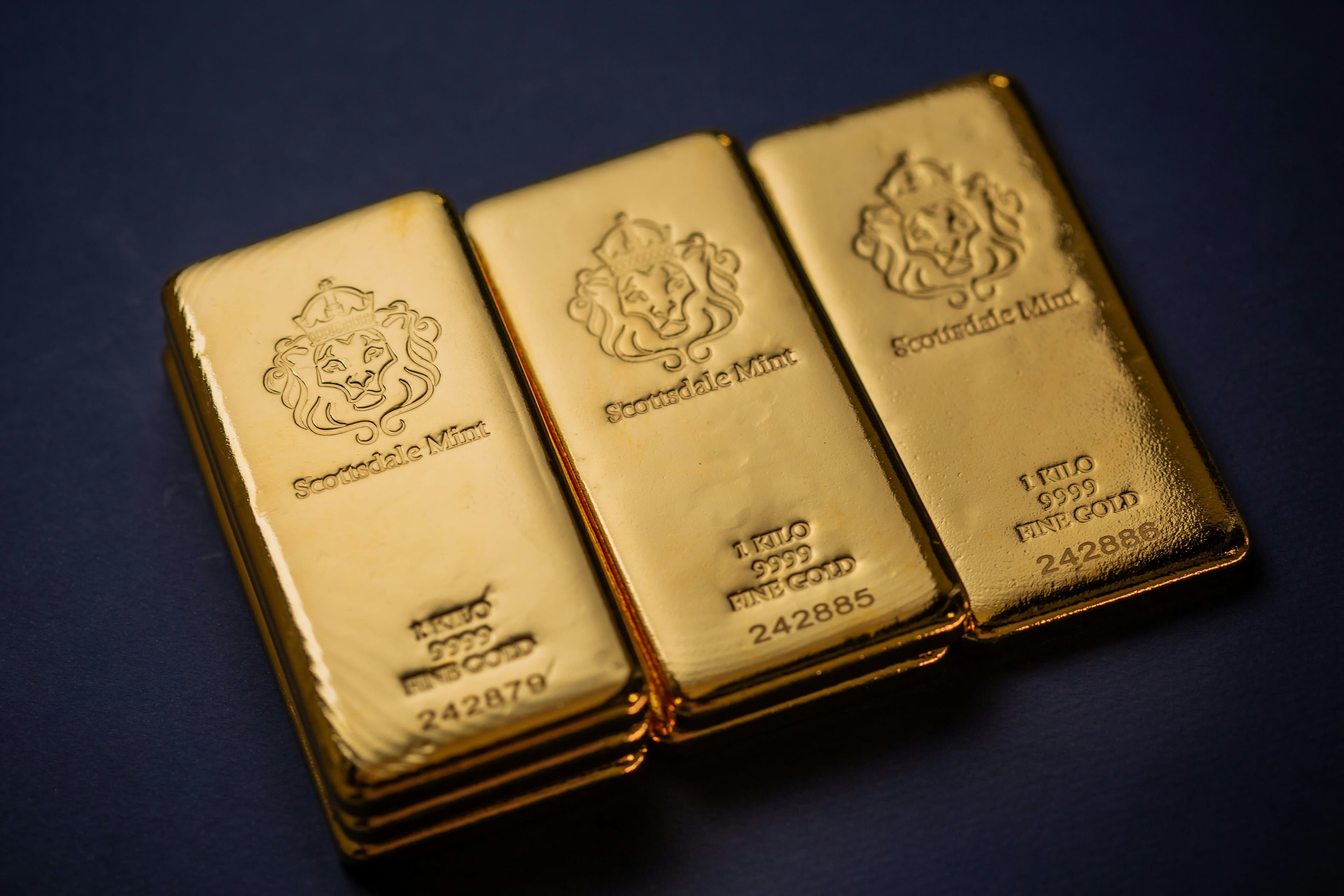
Gold just delivered a breakthrough surge of nearly $30 per ounce, closing at around $3,446 per ounce on August 29, 2025 – the highest level since mid-July. Is this a signal that gold is truly returning to its position as the go-to safe haven asset when global financial markets are in turmoil?
The answer lies in two key factors driving investors to flee from high-risk investments: mounting inflationary pressure and uncertainty surrounding the Federal Reserve's monetary policy decisions.
When Inflation Returns and the Fed Hesitates
U.S. inflation is forecast to rise around 3% this year, higher than previous projections. While the Fed has kept interest rates unchanged, warnings about "significant inflationary pressures emerging" from Fed officials are creating waves of concern across markets.
When currency loses value, investors typically seek assets that can preserve value over the long term. Gold, with its millennia-long history as humanity's "treasure vault," once again proves its irresistible appeal during times of uncertainty.
Minh, a private investor in Ho Chi Minh City, shares: "I bought gold early this year when I saw troubling signals from Fed policy. Now I see that decision was right, but I don't dare buy more at such high prices."
What Do the Numbers Tell Us?
UBS's 2025 gold price forecast suggests gold could reach $3,700-3,750 per ounce by year-end if the Fed implements monetary easing policies. According to a gold market analyst at Goldman Sachs, "gold remains the top choice amid global economic uncertainty, especially when Fed interest rate policy direction remains unclear."
Looking back over recent months, gold has gained about 15% since the beginning of 2025, with sharp increases typically following each Fed policy announcement or inflation data release.
Recent geopolitical events like escalating U.S.-China trade tensions and instability in certain regions have also contributed to driving investors toward traditional "safe haven" assets.
Opportunity or Trap for Vietnamese Investors?
For the Vietnamese market, this volatility creates both opportunities and challenges. Those already holding gold are seeing significant increases in asset value. Mai, a teacher in Hanoi, shares: "I bought 2 taels of gold last year. Now seeing prices rise makes me happy but also worried about whether I should sell or keep holding."
But for those considering "jumping into" the gold market at this point, the important question is: is it already too late?
Experience from previous economic cycles shows that gold can surge during crisis periods but also correct quickly when situations stabilize. The most important thing to understand is that gold isn't an investment channel for getting rich quick, but rather a tool to protect assets from inflation and economic instability.
Smart Strategies for Investors
Rather than putting all money into a single "basket," experts advise investors to maintain balanced portfolios. Gold can represent 10-20% of total investment assets, with the remainder allocated between real estate, stocks, and channels suitable for individual financial capacity.
For example, an investor with 1 billion VND could allocate 100-200 million to gold for asset preservation, 300-400 million to real estate, 200-300 million to stocks, and the remainder to short-term savings or other investment channels.
Are you wondering whether you should buy gold at this time? The answer depends on your investment goals. If seeking stability and long-term asset preservation, gold remains a reasonable choice. But if expecting high short-term returns, you may need to reconsider.
Are you mentally prepared for the market's upcoming volatility? Smart investors should closely monitor inflation developments and Fed policy to make accurate decisions. Remember: gold is a tool for preserving assets, not a money-printing machine. Responsible investing and proper allocation are the keys to success in this volatile era.
Disclaimer: This article is for informational and analytical purposes only and does not constitute investment advice. All investment and business decisions should be carefully considered based on personal circumstances and expert consultation. Barclay Club encourages readers to conduct thorough research before making important financial decisions.