
Fed Rate Cut in September: Impact and Opportunities for Vietnam's Gold Market
Why can a decision from Washington change the fate of millions of investors in Vietnam? The answer lies in the Federal Reserve's imminent rate-cutting cycle beginning in September, with a 90% probability according to the CME FedWatch Tool—a "financial earthquake" that could reshape the entire investment landscape from the US to Vietnam.
After nearly two years of "brutal" rate hikes to 5.25-5.5% to combat inflation, the Fed is showing clear signals of a policy "pivot." This doesn't just affect the USD or US equities, but creates powerful ripple effects reaching Vietnam's gold market—where precious metals just hit a record 127 million VND per tael last week.
Is this the beginning of a global financial revolution? And how can Vietnamese investors capitalize on this "super cycle"?
Fed's U-Turn: When Inflation Pressure Is No Longer Priority #1
To understand the significance of Fed rate cuts, we need to look back at the recent "harsh" journey. Since March 2022, the Fed has continuously raised rates through 11 adjustments, from near 0% to 5.25-5.5%—the highest level in 22 years.
The goal? Defeat inflation that peaked at 9.1% in June 2022—the highest in 40 years. And the strategy worked: US inflation in July 2025 dropped to 3.2%, approaching the Fed's 2% target.
Jerome Powell, Fed Chairman, made a "turning point" statement at the August Jackson Hole meeting: "The time has come to adjust monetary policy. We will do whatever is necessary to support a strong labor market." However, he also cautioned: "Specific decisions will depend on economic data; we will not rush."
But the "medicine" of high rates has had serious side effects. The US labor market shows signs of slowing with only 114,000 new jobs created in July—far below the expected 175,000. The unemployment rate rose to 4.3%, the highest in three years.
"Domino Effect" from Washington to Saigon
When the Fed cuts rates, a chain reaction activates worldwide:
USD Weakens - Gold "Takes Flight": Lower rates make the USD less attractive, causing investors to withdraw capital seeking higher returns. Gold—priced in USD—becomes cheaper for buyers using other currencies. Moreover, low rates reduce the "opportunity cost" of holding gold.
Capital Flows to Risk Assets: Investors will seek higher returns in emerging markets. Vietnamese stocks already rose 8% in August, reflecting expectations of foreign capital inflows.
Real Estate Benefits: Low rates reduce borrowing costs, boosting real estate investment. In Ho Chi Minh City, apartment prices increased 12% in Q2 compared to the same period last year.
Mr. Nguyen Duc Tai, Analysis Director at VNDirect Securities, commented: "Fed rate cuts will create major opportunities for Vietnam's market. We forecast the VN-Index could reach 1,400-1,450 points by end-2025."
Vietnamese Gold: From "Fever" to "Super Cycle"?
The Fed's impending rate cuts have created global "gold fever," but in Vietnam, this phenomenon is further "amplified":
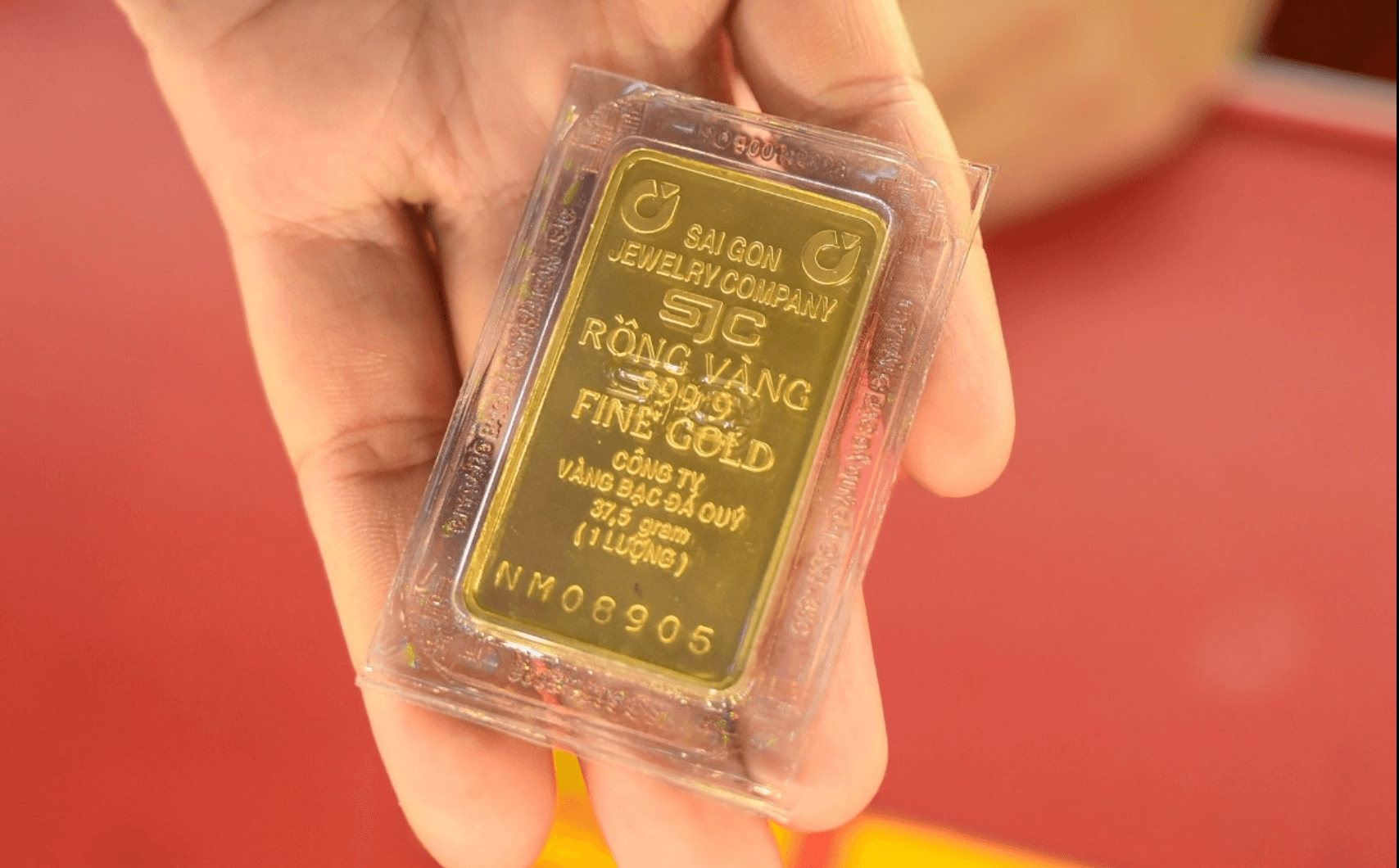
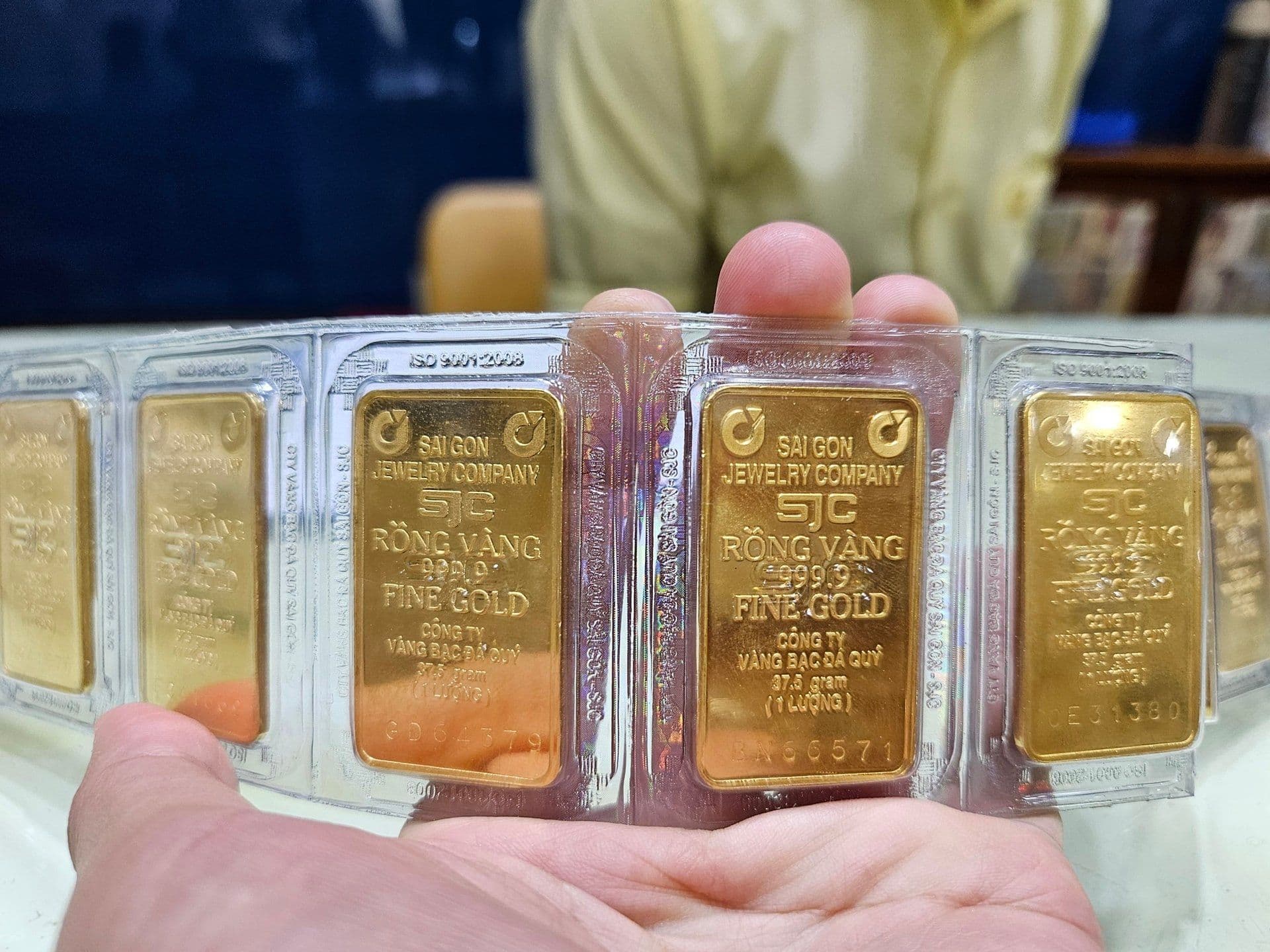
Latest data shows that over the past three weeks, SJC gold prices surged from 118 million to 127 million VND per tael—a 7.6% increase. Trading volumes at major gold shops like SJC and DOJI increased 150-200% compared to the previous month.
Ms. Minh Thu, a gold shop owner in District 1, shared: "Customers queue from early morning to buy gold. Many people buy 5-10 taels at once, saying they're 'investing for the future.' I've been in this business for 15 years and have never seen this scene."
FOMO Psychology Spreads: Seeing continuous gold price increases and news about Fed rate cuts, many people fear "missing out" and rush to buy.
Supply Shortage: The State Bank maintains its policy restricting gold imports, creating a spread of up to 53 million VND per tael compared to global prices.
Inflation Expectations: Many experts warn Fed rate cuts could reactivate inflation, making gold an attractive safe-haven channel.
However, not everyone is optimistic. Dr. Can Van Luc, economist at BIDV, emphasizes: "Current gold prices are too high compared to intrinsic value. Investors need to be cautious about sharp correction risks."
Three Scenarios for the "Big Game"
International experts present three main scenarios for the Fed's rate-cutting cycle:
Scenario 1 - "Soft Landing" (65% probability): Fed cuts rates gradually, 0.25% each time, bringing rates to 3.5-4% by end-2025. Inflation stabilizes around 2-2.5%. Global gold prices rise to $2,200-2,300/ounce, with domestic gold potentially reaching 140-150 million VND per tael.
Scenario 2 - "Recession" (25% probability): US economy enters recession, Fed forced to cut rates aggressively to 2-2.5%. Gold could "explode" to $2,400-2,500/ounce due to increased safe-haven demand.
Scenario 3 - "Inflation Returns" (10% probability): Inflation resurges while growth remains weak, Fed faces difficult situation. Gold could reach $2,500-3,000/ounce like the 1970s period.
Goldman Sachs forecasts gold will reach $2,300/ounce by end-2025, while JPMorgan is more cautious at $2,150/ounce.
Smart Investment Strategy in the "Super Cycle"
With the Fed preparing to "reverse" policy, Vietnamese investors need appropriate strategies:
1. Diversify Gold Channels:
- Global gold via FXCM, eToro platforms (40-50% cheaper)
- Gold ETFs (GLD, IAU) through international investment apps
- Gold company stocks (Newmont, Barrick Gold)
- Jewelry gold with aesthetic value
2. 60-20-20 Asset Allocation:
- 60% safe assets (cash, bonds)
- 20% risk assets (stocks, real estate)
- 20% hedges (gold, USD, crypto)
3. DCA (Dollar Cost Averaging) Strategy: Instead of buying at once, buy steadily 2-3 taels monthly to reduce volatility risk.
Mr. Hoang Nam, an investor with 8 years' experience, shared: "I no longer buy SJC gold because prices are too high. Instead, I invest in gold ETFs and international gold company stocks. Better returns and higher liquidity."
Expert Warnings: "Not Every Time Is Like Before"
However, many experts warn of risks:
Dr. Le Xuan Nghia, banking finance expert, noted: "History doesn't repeat exactly. The Fed can change stance anytime if inflation resurges. Investors shouldn't 'go all-in' on one asset."
Risks to Consider:
- State Bank might open gold imports, prices could drop 30-40%
- Fed might change plans if economy recovers quickly
- Inflation resurgence forcing Fed to raise rates again
- US political changes affecting Fed policy
Historical Lessons: Who Wins, Who Loses?
Looking back at the 2008-2012 cycle, when the Fed cut rates to near 0%, those who bought gold at the right time earned "massive" profits. Gold prices rose from $800 to $1,900/ounce—a 130% increase over four years.
In Vietnam, SJC gold prices rose from 25-30 million (2008) to 50-55 million VND per tael (2012). Investors holding gold until now have 4-5x returns.
But not everyone won. Those who bought at peak prices in 2011-2012 and sold during 2013-2015 suffered heavy losses. The lesson? Timing and long-term strategy matter more than "calling tops and bottoms."
Conclusion: Preparing for a New "Golden Age"
The Fed's decision to cut rates isn't just monetary policy change, but the beginning of a "new era" in global investing. This could be the decade's biggest opportunity to restructure portfolios and capitalize on macro trends.
For Vietnamese investors, the most important thing is not letting emotions drive decisions. Instead of chasing FOMO or fearing volatility:
- Equip Knowledge: Understand how the Fed operates and global impacts
- Build Strategy: Diversify risks, don't put "all eggs in one basket"
- Execute Patiently: Long-term investing, avoid emotional trading
- Research Thoroughly: Every decision needs concrete basis
Because in the financial world, those who understand the Fed's "rules of the game" and know how to adapt to major cycles will always be the ultimate winners. This new cycle could bring unmissable investment opportunities—but only for those smart, patient, and well-prepared enough.
Disclaimer: This article is for informational and analytical purposes only and does not constitute investment advice. All investment and business decisions should be carefully considered based on individual circumstances and with consultation from professional experts. Barclay Club encourages readers to conduct thorough research before making important financial decisions.