
East Meets North: Why Newcastle's Chinatown Matters More Than You Think
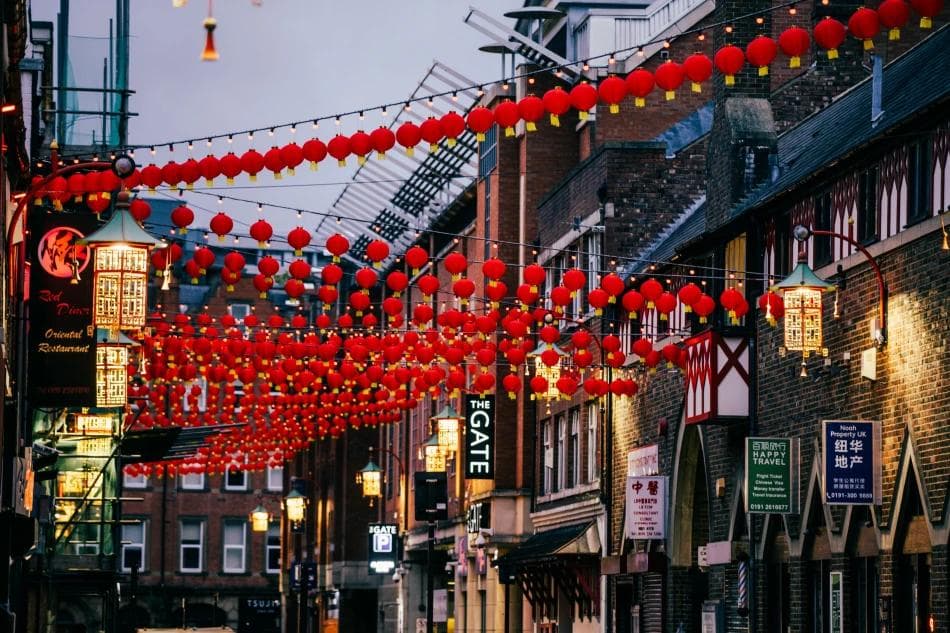
I've been spending a lot of time on Stowell Street lately, teaching myself about urban ethnic economies and what they mean for regional development. Newcastle's Chinatown might seem like just a nice place to grab dim sum before a match at St James' Park, but the economic and cultural story here is actually wild and it says something important about the Northeast's future.
Here's what caught my attention: this isn't just a tourist attraction with a pretty arch and some lanterns. It's a functioning economic ecosystem serving over 35,000 Chinese residents and students, plus communities from Hong Kong, Taiwan, Malaysia, and Singapore. Wing Hong supermarket, travel agents, legal services, Mandarin schools, community centers this is genuine infrastructure, not decoration.
The Economics Bit
What I'm learning about ethnic enclaves like Chinatown is that they serve a dual economic function. First, they're entry points for immigrant entrepreneurs lower barriers to starting businesses, established supply chains, built-in customer bases. The data on this is fascinating: ethnic economies often outperform mainstream small business survival rates because of these network effects.
Second, and this is the part that connects to my UK-Asia work they're cultural and commercial bridges. That 11-meter arch built by Shanghai craftsmen in 2004? It's not just symbolic. It represents actual trade relationships, cultural exchange, and the kind of soft infrastructure that makes international business easier.
The Northeast-Asia Connection
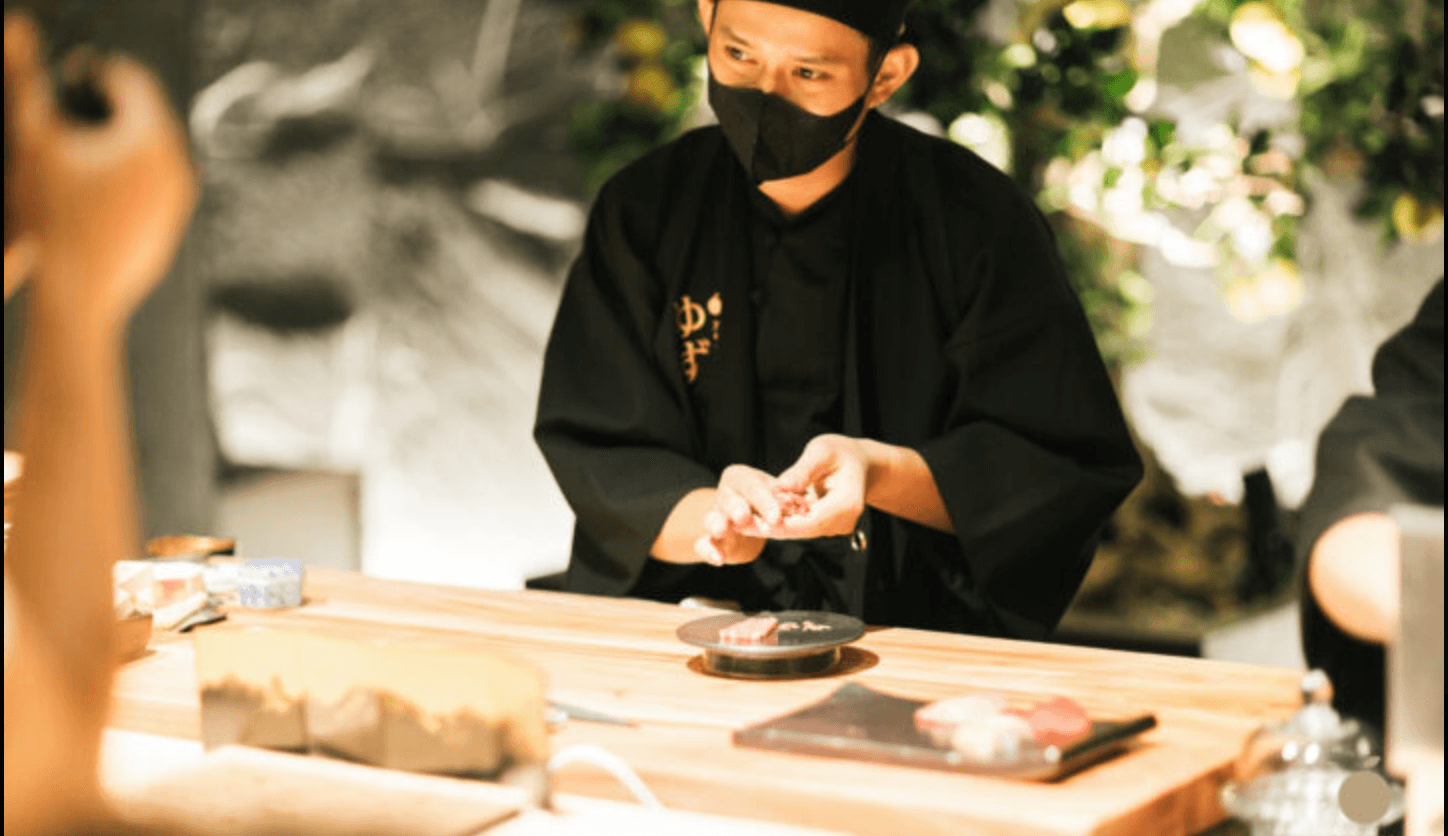
Been comparing Newcastle's Chinatown to similar districts in other UK cities, and here's what stands out: it punches above its weight. For a city of Newcastle's size, having this concentration of authentic Asian businesses from Cantonese seafood at King Neptune to Malaysian-Chinese at Chili Padi, plus Japanese at Dojo creates something rare in the North East: a genuine international hub.
This matters for the region's development strategy. While I've been researching how Singapore became a financial center and Vietnam attracted FDI, one pattern keeps emerging: cultural infrastructure matters. Places that make international communities feel at home attract international capital, talent, and trade connections.
Newcastle has universities pulling in thousands of Asian students annually. It has the metro system, proximity to ancient city walls and the Oriental Garden, and a multicultural vibe that could theoretically position it as a northern gateway to Asian markets post-Brexit. Chinatown is already doing this work on a small scale.
What I'm Still Figuring Out
Here's my honest question: could Newcastle's Asian community be leveraged (respectfully, not extractively) as part of a broader Northeast economic strategy around UK-Asia trade? The infrastructure's already there Wing Hong for groceries, JK Supermarket for Korean and Japanese goods, community services in multiple languages. Annual Lunar New Year festivals with dragon dances draw massive crowds. There's clearly appetite.
What's missing, from what I can see, is intentional economic development policy that recognizes Chinatown as strategic infrastructure rather than just a cultural amenity. Compare this to how Singapore deliberately built itself as a hub connecting East and West could Newcastle do something similar on a regional scale?
The Bridge-Building Opportunity
I'm 18, teaching myself development economics through data and observation, but this seems obvious: in a post-Brexit UK trying to forge new trade relationships with Asia, having thriving Asian communities in regional cities isn't just nice it's economically valuable. These communities have language skills, cultural knowledge, business networks, and family connections that formal trade missions can't replicate.
Newcastle's Chinatown, with its authentic restaurants, shops, and services, is already building these bridges informally. The question is whether the Northeast's economic policymakers see it that way.
What I'm Reading Next
Looking into comparative case studies of how other mid-sized European cities have leveraged ethnic business districts for international trade development. If you've got expertise on this or you're part of Newcastle's Asian community and think I'm missing something genuinely want to hear it.
Because from where I'm standing on Stowell Street, between the Chinese arch and the smell of hotpot from Little Asia, there's something here worth paying attention to. Not just for the food (though the food is excellent), but for what it represents about the Northeast's potential to genuinely connect with Asia's economic future.
Oliver Barclay is founder of Barclay Club, focused on building economic and cultural bridges between Northeast England and Southeast Asia. Follow his work at www.barclay.club