

Digital Travel Journey: The AI and VR Revolution Transforming How We Explore the World
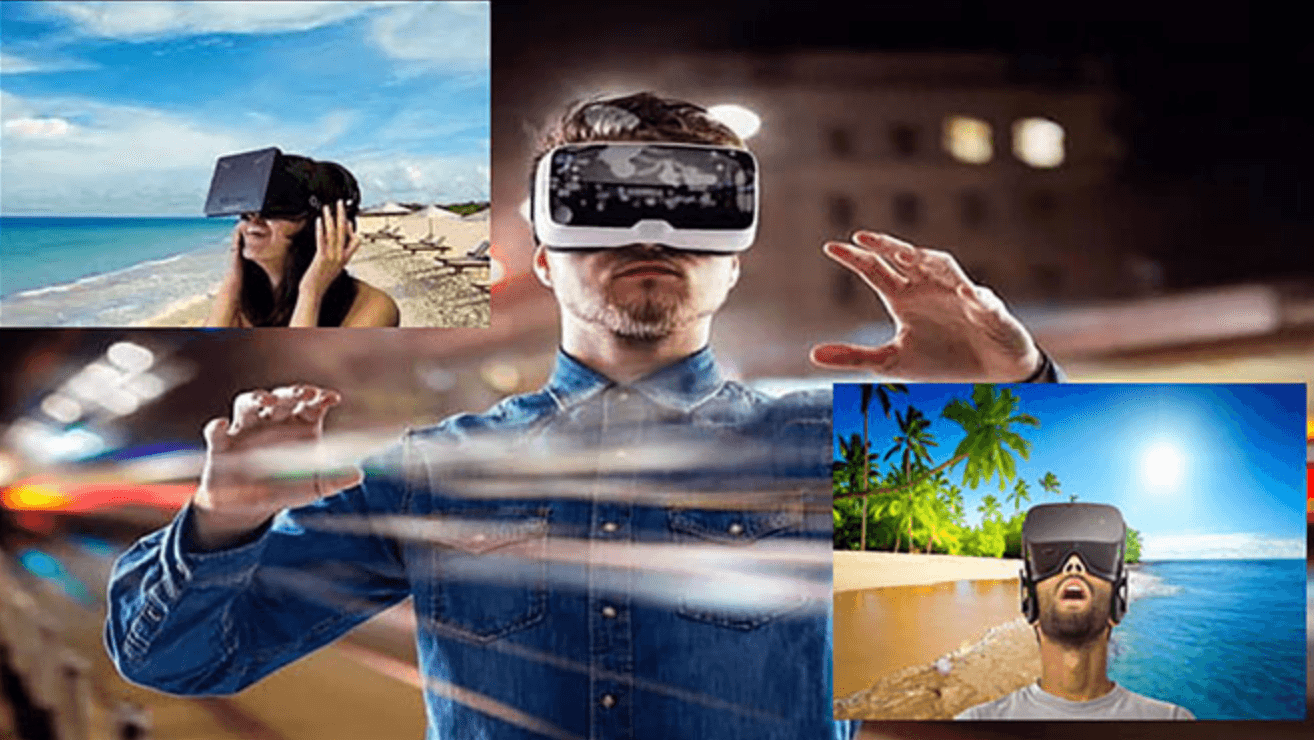
The tourism industry is undergoing a comprehensive technological "revolution," where digitizing travel journeys and applying advanced technologies like AI and VR are no longer "future visions" but have become vivid reality. From experience following technology development in the tourism industry, I see that these changes aren't just simply "digitizing" traditional processes but also creating entirely new experiences that are more "personalized" and richer than ever before. This could be the most important advancement in tourism since the internet's inception.
AI: Smart Travel "Assistant" 24/7
Experience Personalization: Understanding You Better Than Yourself
Artificial intelligence is "revolutionizing" how we plan and experience travel. Instead of spending hours searching for information online, AI can analyze each traveler's preferences, behaviors, and needs to provide suggestions "accurate" to an astonishing degree.
For example, if you typically choose quiet destinations, enjoy exploring local culture, and have a moderate budget, AI will "learn" these characteristics and suggest tours, hotels, restaurants that match your travel "DNA." This not only saves time but also helps you discover experiences you might never have thought of.
Process Optimization: From "Complex" to "Simple"
Booking flights, hotels, and travel services was once a "complex" and time-consuming process. AI has made this "simple" to an amazing degree. Systems can automatically compare prices from hundreds of providers, find the best combinations, and even predict price trends to suggest "ideal" booking times.
Particularly, AI can "learn" from your previous bookings, remembering preferences like room location, bed type, or additional services, creating a "smooth" and highly personalized experience.
VR: "Gateway" to Everywhere in the World
Preview Tours: "Try Before You Buy"
Virtual reality has opened the possibility to "visit" destinations from home in vivid and authentic ways. You can "walk through" hotels, explore rooms, restaurants, pools, and even admire views from balconies before deciding to book.
This is particularly "useful" for important trips like honeymoons or family vacations. Instead of having to "gamble" based on photos and reviews, you can directly experience the space and feel the actual "quality" of services.
Enhanced Experience: "Deeper" Exploration
VR isn't just useful during preparation but also "enriches" experiences throughout trips. At museums and historical sites, travelers can use VR to "travel back in time," witnessing historical events unfold right where they're standing.
At nature reserves, VR can take travelers to "explore" hard-to-reach areas, like ocean floors, mountain peaks, or deep caves, creating "unforgettable" experiences that are completely safe.
Journey Digitization: Smart Mobile "Butler"
Comprehensive Management: Everything at Your Fingertips
Journey digitization has turned smartphones into comprehensive travel "control centers." From online check-in, flight tracking, to itinerary management and expense tracking - everything can be done through a single app.
Particularly, the ability to receive "real-time" notifications about unexpected changes like flight delays, gate changes, or weather warnings helps travelers proactively adjust plans and minimize "stress" throughout trips.
Expense Tracking: "Transparency" and Control
One of the most "useful" features of journey digitization is real-time expense tracking capability. Travelers can see exactly how much they've spent on each category, compare with planned budgets, and receive alerts when approaching limits.
This is especially important for long trips or family travel, where cost control is "crucial" to ensure smooth journeys.
Business Benefits: "Understanding" Customers Better
Data Analysis: Information "Treasure"
For travel businesses, digital technology provides a "treasure trove" of data about customer behavior, preferences, and needs. This information helps them "understand" customers more deeply and develop more suitable products and services.
For example, by analyzing data about most-searched destinations, average stay durations, and popular activities, travel companies can "design" new tours or adjust pricing to optimize revenue.
Customer Service: "Fast" and Accurate
AI chatbots can handle thousands of questions simultaneously, providing "accurate" information 24/7 without human intervention. This not only reduces operational costs but also enhances customer "experience" with quick response times.
Moreover, AI can "learn" from each interaction, becoming increasingly "smarter" at understanding and solving customer problems.
Challenges and Considerations
Privacy: "Balancing" Convenience and Security
Collecting and using personal data to personalize experiences raises "privacy" concerns. Businesses need to ensure they comply with data protection regulations and are "transparent" about how they use customer information.
Digital Skills: Generational "Gap"
Not all travelers are "comfortable" with new technology. Businesses need to ensure they still provide "traditional" options for customers who prefer old approaches.
The Future of Digital Tourism
Emerging Trends
"Metaverse" technology is opening possibilities to create completely "virtual" but incredibly realistic travel experiences. Travelers can "participate" in festivals, concerts, or cultural events anywhere in the world without leaving home.
Advanced AI Integration
Next-generation AI could become true travel "companions," not just offering suggestions but also able to "chat," share knowledge about local history and culture, and even help with real-time "translation."
Sustainability Integration
Digital tourism also contributes to more sustainable travel by optimizing routes, reducing paper waste, and helping travelers make more environmentally conscious choices through carbon footprint tracking and eco-friendly option recommendations.
Accessibility Enhancement
Technology is making travel more accessible for people with disabilities through features like voice navigation, real-time translation for sign language, and detailed accessibility information about destinations and accommodations.
Conclusion: "Golden Age" of Smart Tourism
Journey digitization and AI, VR applications in tourism are creating a "golden age" for this industry. These technologies not only make travel more "convenient" and "personalized" but also open up "exploration" and "experience" possibilities we never imagined before.
For travelers, this means "richer" trips, "less stress," and complete "customization" according to personal needs. For businesses, this is an opportunity to create new value, improve operational efficiency, and build "deeper" relationships with customers.
However, it's important to "balance" technology application with maintaining the "human" element in travel. After all, travel is still about connecting with people, culture, and nature. Technology is just a "tool" to help us do this in the best way possible.
In the near future, we can expect to see increasingly "deeper" integration between real and virtual worlds, creating unique and interesting "hybrid" travel experiences. This is truly the most "exciting" time to be a traveler in this digitized world.
Disclaimer: This article is for informational purposes and provides a general overview of technology trends in tourism. Choosing to use specific services and technologies should be considered based on personal needs and financial capability. Barclay Club encourages readers to research thoroughly about services before using them.