

Britain vs Vietnam The Real Cost of Manufacturing Decline and Rise
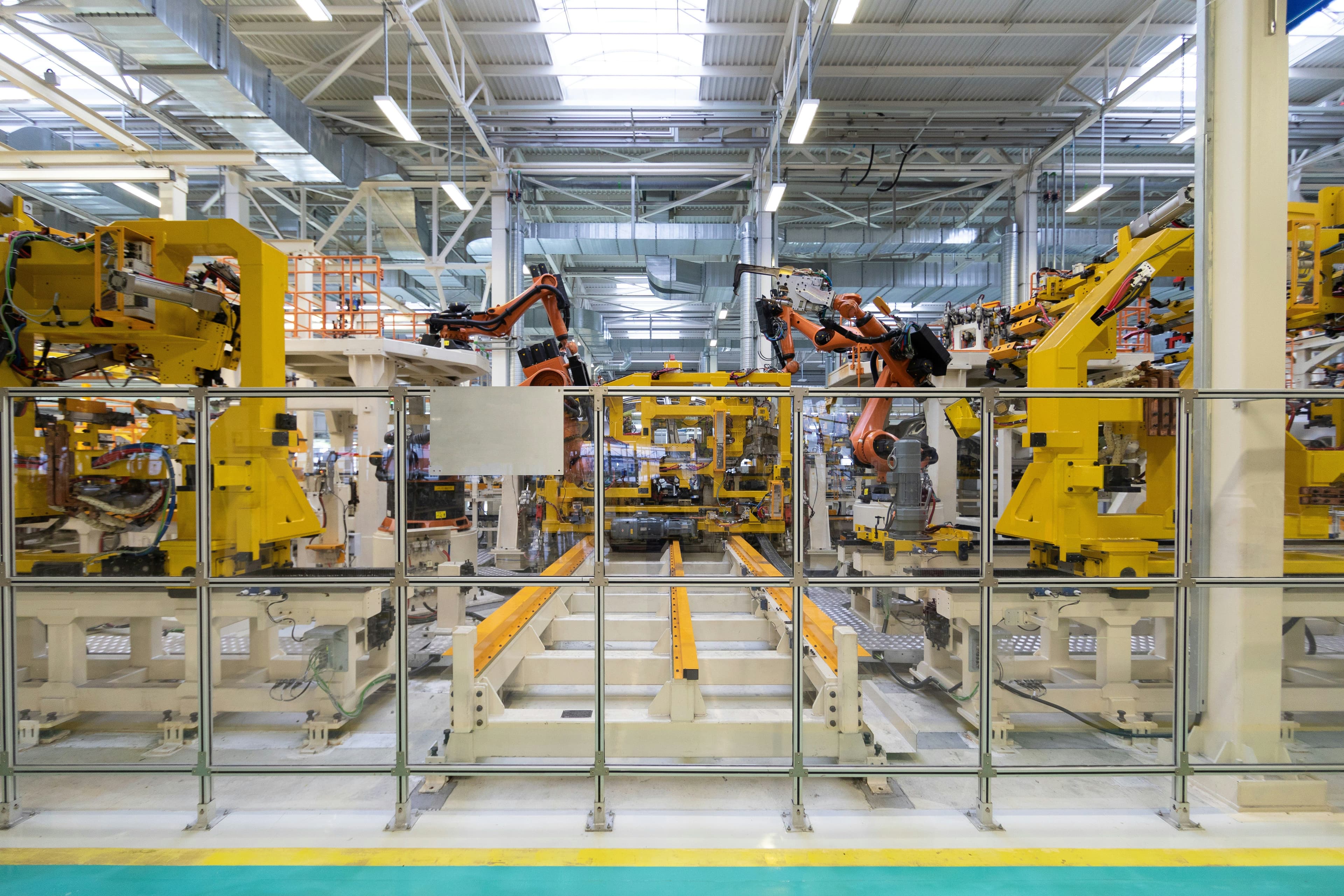
I've been teaching myself about deindustrialisation this week, comparing UK data with Vietnam's industrial expansion, and honestly, the contrast is kind of shocking.
Here's what jumped out: Britain's manufacturing share of GDP has fallen from around 30% in the 1970s to barely 9% today. Vietnam's gone the opposite direction manufacturing now accounts for over 25% of their economy and climbing. But it's not just about percentages. It's about what manufacturing does for an economy that we've forgotten about.
The productivity problem is real. Manufacturing generates spillovers: process improvement, automation, supply chain discipline. These spread through the economy. When Britain shifted toward services, particularly finance and retail, those spillovers disappeared. Many service jobs just scale headcount, not output. That's partly why UK productivity growth has been stagnant for fifteen years.
Then there's the regional hollowing out. Manufacturing plants were spread across the Midlands, North, Wales, Scotland. Their closure concentrated economic activity in London and the Southeast. I spent last weekend comparing regional GDP data between Newcastle and Manchester versus Greater London: the gaps are honestly wild. This imbalance now drives political tension, and "leveling up" remains more slogan than strategy.
Trade fragility is another consequence I'm still wrapping my head around. Manufacturing exports provide hard currency and pricing power. Britain now relies heavily on service exports and imports most manufactured goods. That leaves us exposed to currency swings and supply shocks: exactly what we saw during recent energy and goods inflation.
The skills erosion might be the hardest to reverse. Manufacturing ecosystems sustained apprenticeships, technicians, applied engineering talent. As factories closed or off shored, vocational pathways weakened. Universities kept producing graduates, but fewer roles existed to translate theory into industrial capability. That gap still exists.
What strikes me most, though, is the psychological shift. Manufacturing builds long term orientation: investment, patience, incremental improvement. Post industrial Britain has leaned toward financialisation and asset appreciation. We're politically obsessed with housing and consumption rather than production.
Vietnam shows what's possible when manufacturing is embraced, but they're also facing their own challenges: moving from assembly to higher value work, managing rising costs, upgrading skills. The difference is they're having that conversation from a position of having manufacturing capacity, not trying to rebuild it from weakness.
The pattern seems clear: no serious economy can afford to forget how to make things. The question for Britain isn't whether we should have only manufacturing. It's whether we can afford to have so little.
What I'm reading: "Why Nations Fail" by Acemoglu and Robinson, plus IMF reports on industrial policy in emerging markets.