

AI Fashion Models Cost $150,000 But Still Can't Dress Themselves: Fashion's Six-Figure Tech Flop
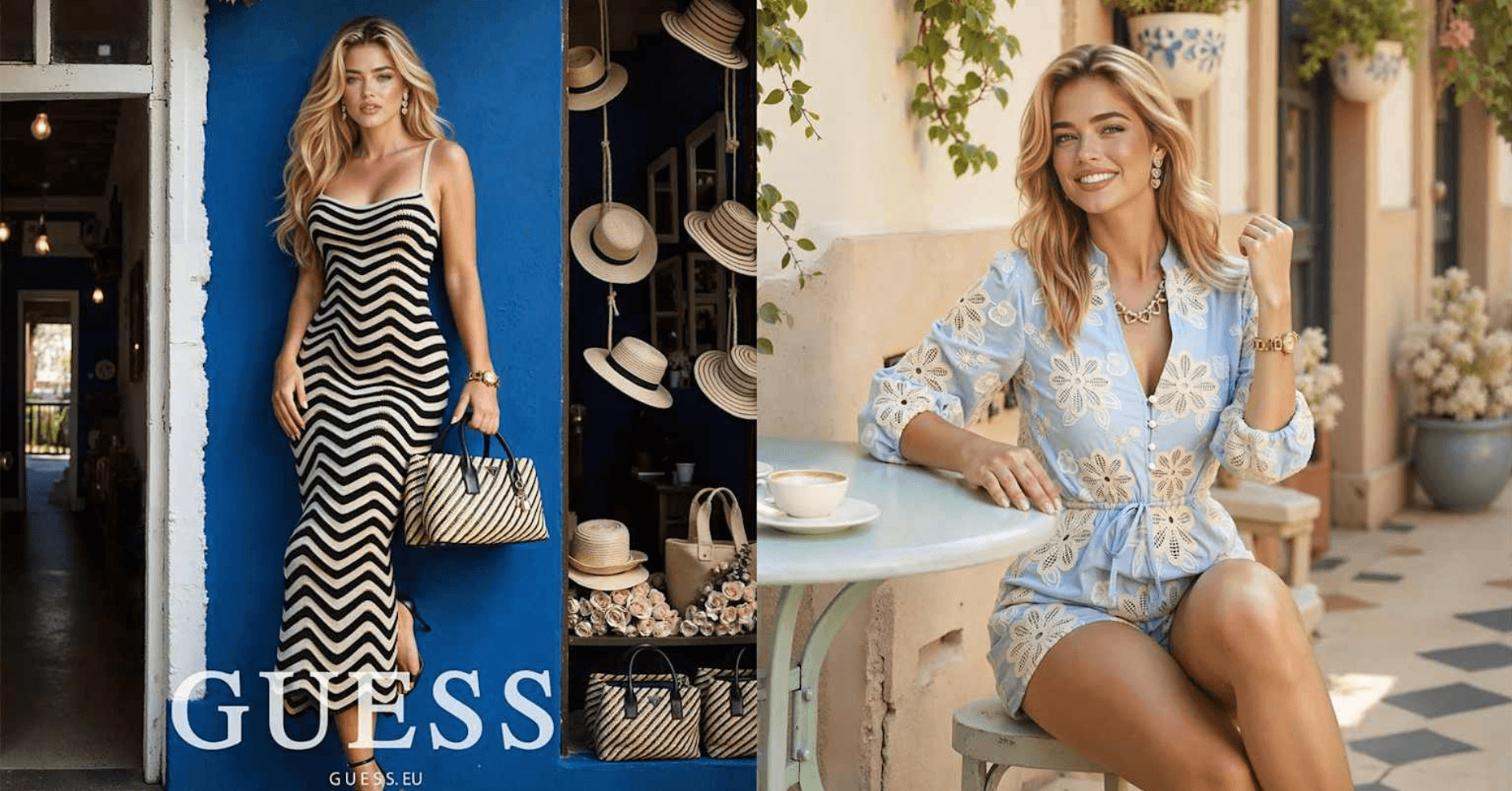
The fashion industry's AI experiment reached peak absurdity in July 2025 when Vogue's Guess campaign featuring AI-generated models triggered over 2 million TikTok views and a spike in "Vogue unsubscribe" Google searches. Major brands are now paying between $80,000 and $150,000 for AI-generated models that look flawless but somehow make clothes appear "messy"—which is roughly equivalent to hiring a supermodel who photographs beautifully but can't actually wear the product they're selling.
The Economics of Digital Perfection
Seraphinne Vallora, the agency behind the controversial campaign, employs five people who spend 3-5 weeks crafting each digital model. According to Vogue Business, their fees now match or slightly exceed top-tier human model shoots, erasing earlier expectations of cost savings. This represents peak Silicon Valley logic: solve a non-existent problem with expensive technology while creating new, more expensive problems.
The irony runs deeper than a venture capitalist's understanding of sustainable business models. These AI models generate perfect bone structure and flawless skin, yet the actual clothing—you know, the thing fashion brands are trying to sell—appears distorted and poorly rendered. It's like hiring Gordon Ramsay to describe food he's never tasted: technically impressive, practically useless.
McKinsey's latest survey reveals that only 20% of fashion leaders expect consumer sentiment improvements in 2025, with 39% anticipating worse conditions. In response, the industry decided to invest in technology that can't properly display their products. This strategic thinking rivals cryptocurrency exchanges using customer deposits as personal piggy banks.
The Diversity Paradox
Perhaps most revealing is how AI exposes the industry's diversity challenges through technological limitations rather than solving them. As of July 2025, no major AI fashion agency has released a commercial plus-size model, with all AI-generated campaign images showcasing model body proportions and Eurocentric features, according to The Fashion Law Review. Seraphinne Vallora attributes their lack of racial diversity to "algorithm preferences"—a fascinating evolution in corporate responsibility deflection. Instead of acknowledging hiring biases or market research failures, companies can now blame their software. It's the digital equivalent of "the dog ate my homework," except the dog costs six figures and requires a five-person team to operate.
The technical reality suggests these algorithms weren't trained on diverse datasets—a problem that's both predictable and expensive to fix. Companies like H&M are creating "digital twins" of 30 real models, essentially paying for AI to copy what already exists. This approach resembles buying a photocopier for the price of an original Picasso.
Just one step to unlock the rest of this article
Sign in to read the full article and access exclusive content
✨ Completely free • No credit card required